

Shaker Kitchen Cabinets | Custom by DBM Factory
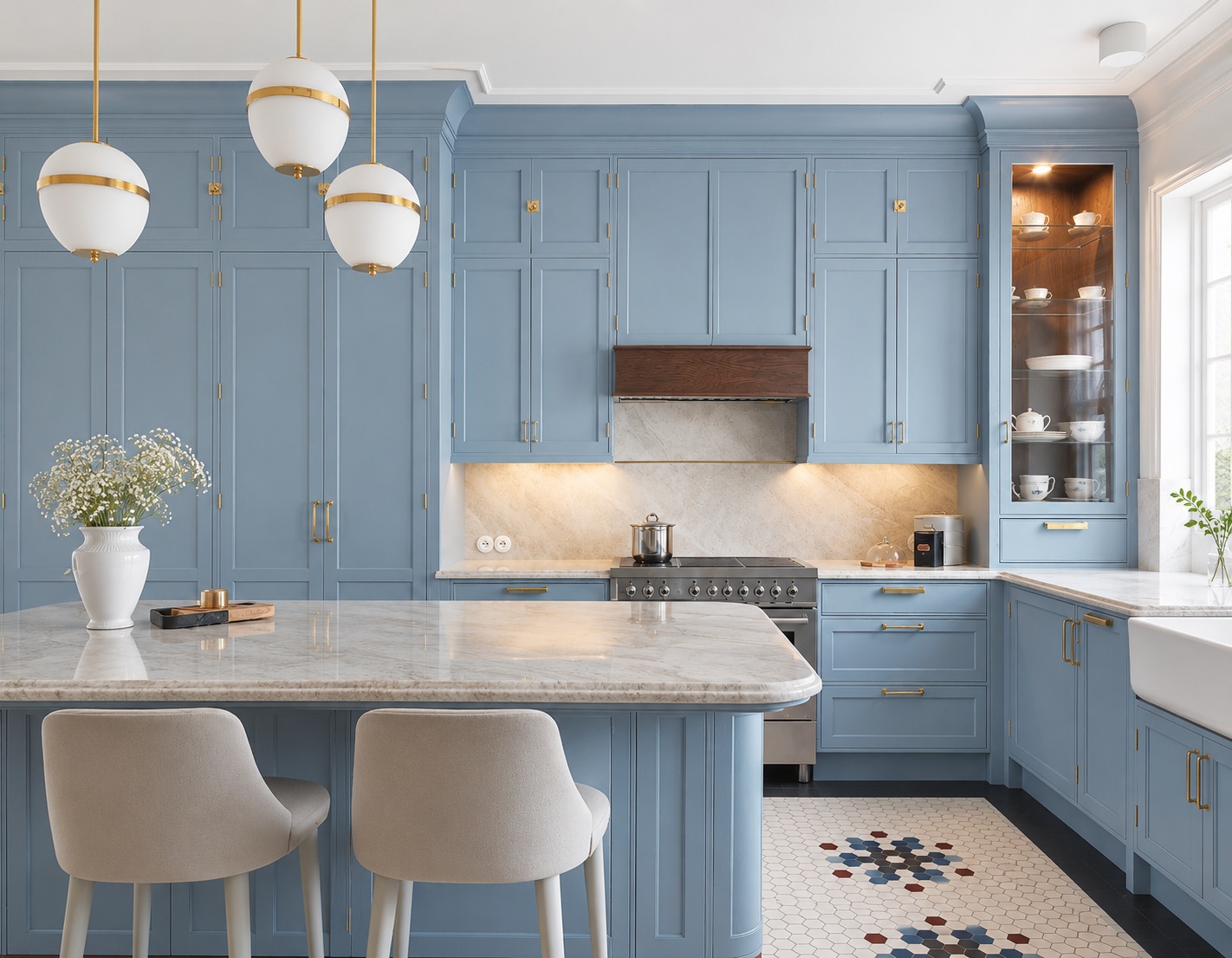
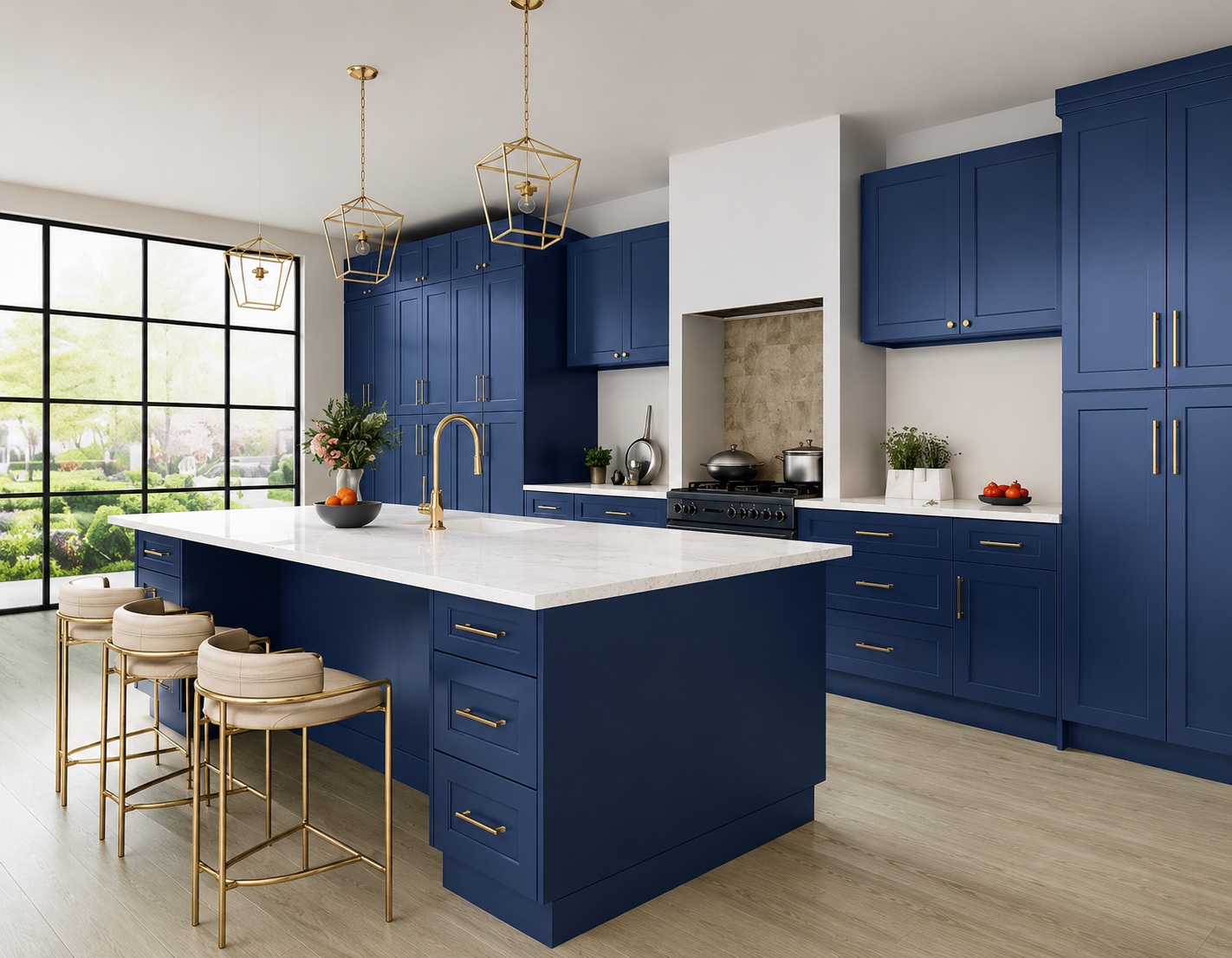


Shaker Kitchen Cabinets
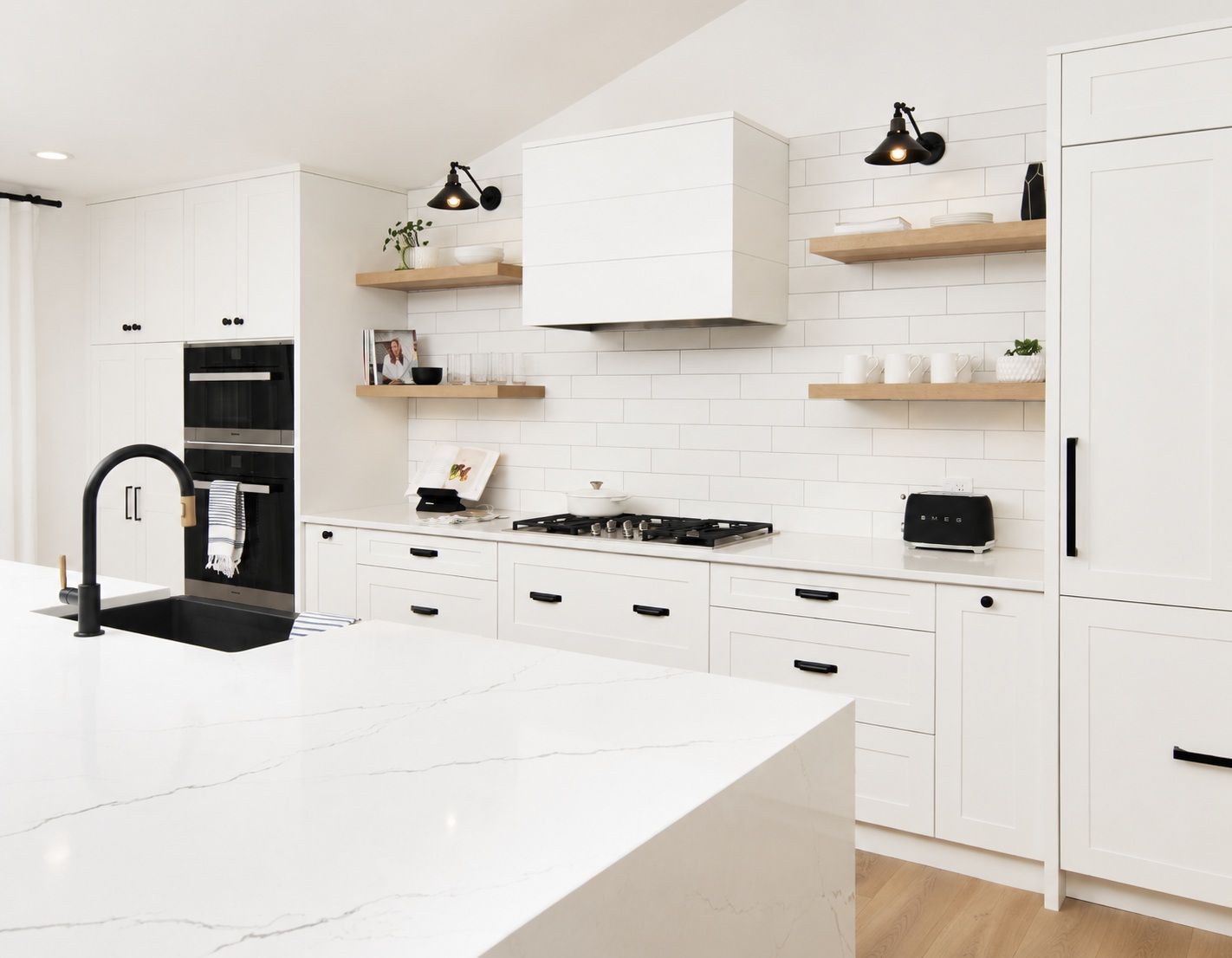
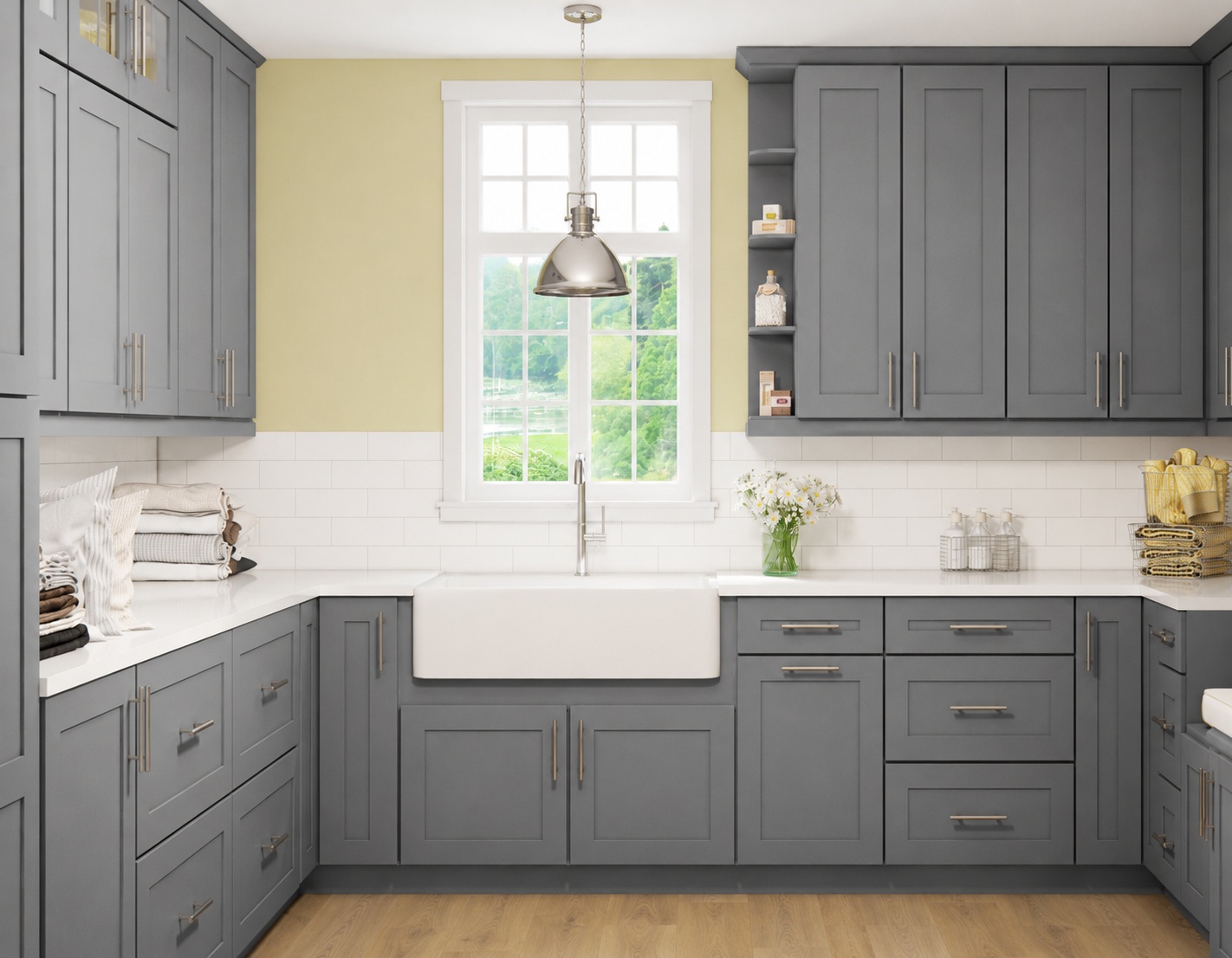
A shaker kitchen sits between traditional and modern. The five-piece door is quiet enough to read clean and detailed enough to feel crafted. Few door styles work in almost any room, in almost any palette. It is the kitchen that ages well because it never leaned too far either way.
DBM designs and produces each shaker kitchen run around your project. Share a kitchen plan, an elevation, or a reference picture. We turn it into a working drawing, then build the boxes, doors, and trim ready for shipment.
Choose the Right Shaker Build
Wood Species — Maple / Oak / Painted Grade
Maple is the workhorse for painted shaker — tight grain takes a smooth paint film. Oak shows grain through stain for the more traditional shaker. Paint-grade hardwood lets the finish be the feature rather than the wood.
Paint Color — White / Cream / Custom
Classic white for the bright kitchen. Off-white and cream for the softer, warmer room. Custom color matching where the kitchen is reading from a specific palette — deep green, navy, charcoal — on either lowers or full run.
Hardware — Knob / Cup Pull / Bar Pull
Brass or porcelain knobs for the heritage shaker. Cup pulls on the drawers for the farmhouse run. Bar pulls in matte black or brushed nickel for the transitional kitchen that leans more modern.
Door Insert — Flat Panel / Beadboard / Glass
Flat-panel insert is the classic shaker reading. Beadboard insert adds the cottage detail. Glass inserts on upper cabinets break the run and lighten the upper line.
Where Shaker Cabinets Fit — Four Common Project Types
Traditional New Home Build
A new build leaning traditional. White shaker uppers, off-white shaker lowers, brass knobs, and a stone counter is one of the most common pairings. It lands clean for almost any household.
Villa Kitchen
A larger villa kitchen where shaker carries across the perimeter run and the island. A deeper color on the island — navy, charcoal, deep green — against white perimeter cabinets is a common villa move.
Family Kitchen
A working family kitchen where the cabinets need to be calm and easy to live with. Painted shaker in cream or white wears in the way the room wants — not too precious, not too cold.
Renovation Refresh
A kitchen refit on a heritage apartment or older home where the rest of the room stays put. Shaker fits the previous era and the next one — it does not shout for attention against the existing flooring or trim.
From Sketch to Site — Three Stages
Share a kitchen plan, an elevation, or a photo of the room — that’s enough to start. We turn it into a working drawing covering cabinet box sizes, door layout, drawer split, and how the run meets walls and appliances.
Boxes, doors, and trim are trial-fit and photographed in our Guangdong workshop before crating. Each part comes labeled and finish-protected, so on-site work is typically setting and adjusting rather than field-fabricating.
Wooden crates built for ocean freight, packed in the order your installer will set the kitchen. Shipped to 60+ countries — including the USA, Australia, the EU, and across Asia.
After delivery, your contractor or kitchen installer handles fitting. We provide an assembly guide and a step-by-step video. Where local installation is available in your region, we can help you find a vetted installer.
Shaker Kitchen Cabinets
Galley, L-Shape, or Island — Fitting a Shaker Run to an Awkward Floor Plan.
A shaker door is the easy part of a shaker kitchen; the floor plan is where the real puzzle sits. Most kitchens are not generous rectangles, and the room arrives with a doorway, a window, and a radiator already fixed in place. The cabinets then have to resolve around those obstacles without losing the calm shaker rhythm.
Owners usually reach us once they have a layout shape in mind but cannot make the dimensions resolve. A galley feels tight, an L-shape leaves a dead corner, or an island crowds the walkway behind it. So the brief here is a spatial one: arrange a comfortable shaker kitchen inside a constrained and slightly stubborn footprint.
Why the Layout Decides the Cabinet Schedule.
The plan shape governs almost every cabinet decision that follows it. A galley runs two parallel walls, so it needs a generous clearance down the centre for two people to pass and the oven door to open. We size the base cabinets to protect that walkway, because a shaker galley fails the moment the gangway feels cramped.
An L-shape introduces the corner problem that every kitchen has to answer. The internal corner can swallow storage, so a diagonal carousel or a magic-corner mechanism recovers the space that would otherwise vanish. We draw the corner cabinet first and let the rest of the run grow outward from that fixed, awkward point.
A single wall with an island reads open, yet it asks for the most discipline of all. The island needs a working clearance on every side, so we set its proportion against the room before sizing a single drawer. Where the floor cannot spare that margin, a peninsula often suits the household better, and we say so plainly.
How the Shaker Run Adapts to a Real Room.
Filler Strips and the Honest Gaps.
Real walls are rarely straight, and a run almost never lands on an exact cabinet width. We draw filler strips at the wall junctions and beside the appliances, so the doors still open without catching the architrave. These slim painted fillers keep the shaker line continuous, and they absorb the small irregularities that every existing room carries.
Door Proportion Across the Walls.
A shaker frame looks balanced only when the door proportion suits its cabinet. A tall pantry, a wide drawer bank, and a narrow filler each need the rail and stile drawn to keep the reveal even. We adjust those frame dimensions cabinet by cabinet, so the whole elevation reads as one considered run rather than a row of mismatched boxes.
Working Around the Fixed Points.
A window over the sink, a structural column, or a boxed-in soffit will not move for the kitchen. We plan the cabinet heights and the upper run around those constraints, so nothing fights the architecture of the room. The configuration bends to the building, while the shaker character stays consistent across every wall.
What Coordination Looks Like for a Tight Layout.
Drawing-First Coordination begins with the room dimensions and every fixed point inside it. We capture the wall lengths, the door and window positions, and the service runs before any panel is cut, because a tight plan leaves no slack. The working drawing then resolves the corners, the fillers, and the clearances on paper. You review and approve that layout before the production run starts.
Trial Assembly Before Packing then stands the whole shaker run upright on our Guangdong workshop floor. We set the corner cabinet, fit the fillers, and confirm that every door clears its neighbour cleanly. Then we take the run apart, bag the hardware, and label each component, so the install in your kitchen stays an ordered sequence.
Export-Ready Crating packs the cabinets in the order your installer will set them around the room. We protect the painted shaker faces against knocks for the long ocean leg ahead. The crate arrives sorted by run, with the corner and filler pieces clearly marked for the trickiest part of the fit.
What to Send Us About Your Room.
A rough floor plan with the wall lengths gives us the strongest starting point. Mark the doorway, the window, and any radiator or column, since those fixed points shape the whole layout. Add a couple of photos from the corners, so we can read the room in three dimensions.
One more note helps us settle the plan. Tell us whether you picture a galley, an L-shape, or an island, and how many people usually cook there together. From there we turn your notes into a working drawing and a kitchen ready to ship.
After delivery, fitting is on your side. On site, your contractor or installer handled fitting directly from our drawings, with our assembly guide and step-by-step video to follow — or use your own local installer where needed.
Chat on WhatsApp →Compare the Solid Wood Kitchen Cabinets → · see the Flat Panel Kitchen Cabinets → · browse the full Kitchen Cabinet range → · or explore all our cabinetry →