

Metal and Wood Staircase: How the Steel-and-Timber Mix Compares-Staircase Guides
Steel Staircase · Metal & Wood
Metal and Wood Staircase: How the Steel-and-Timber Mix Compares
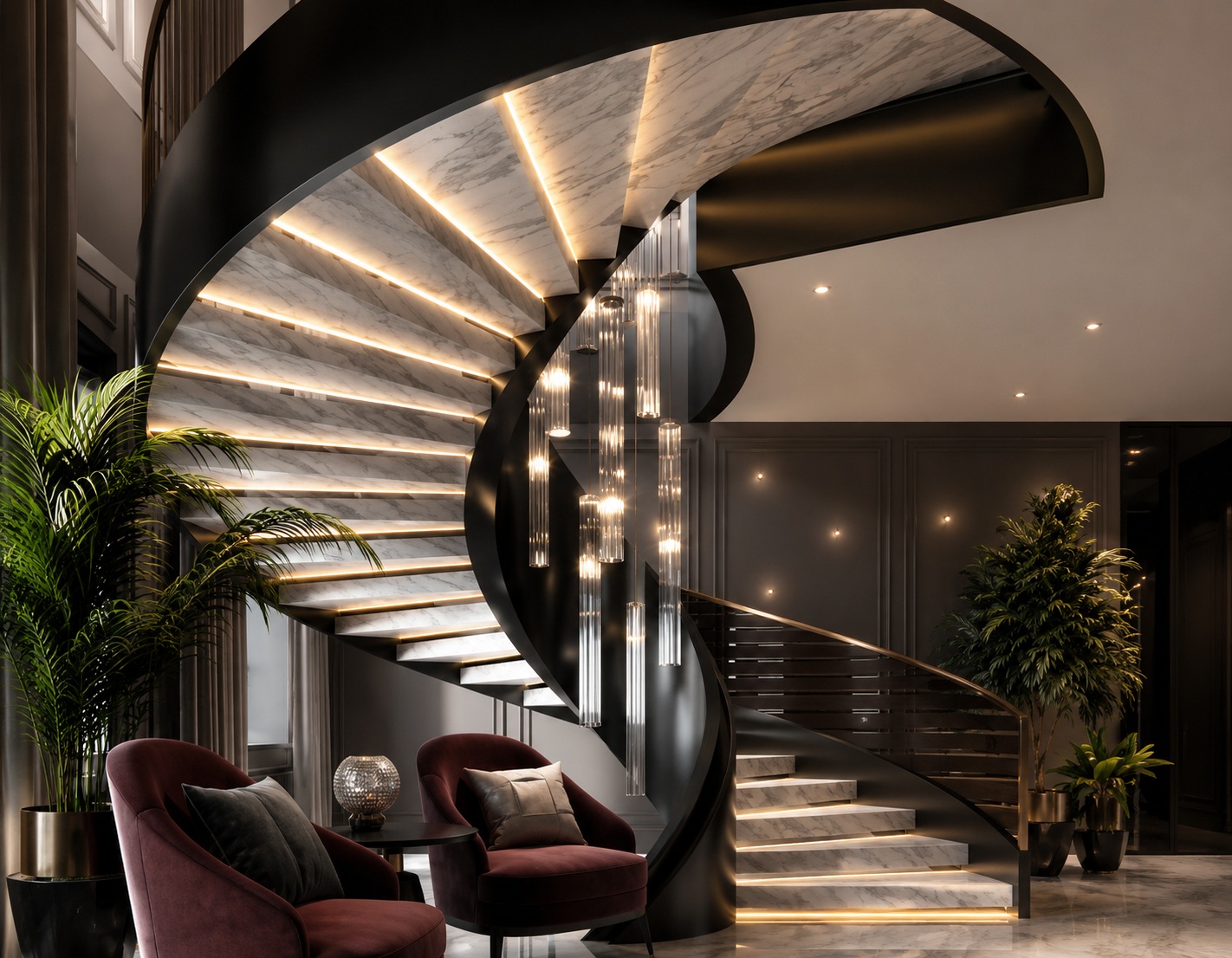
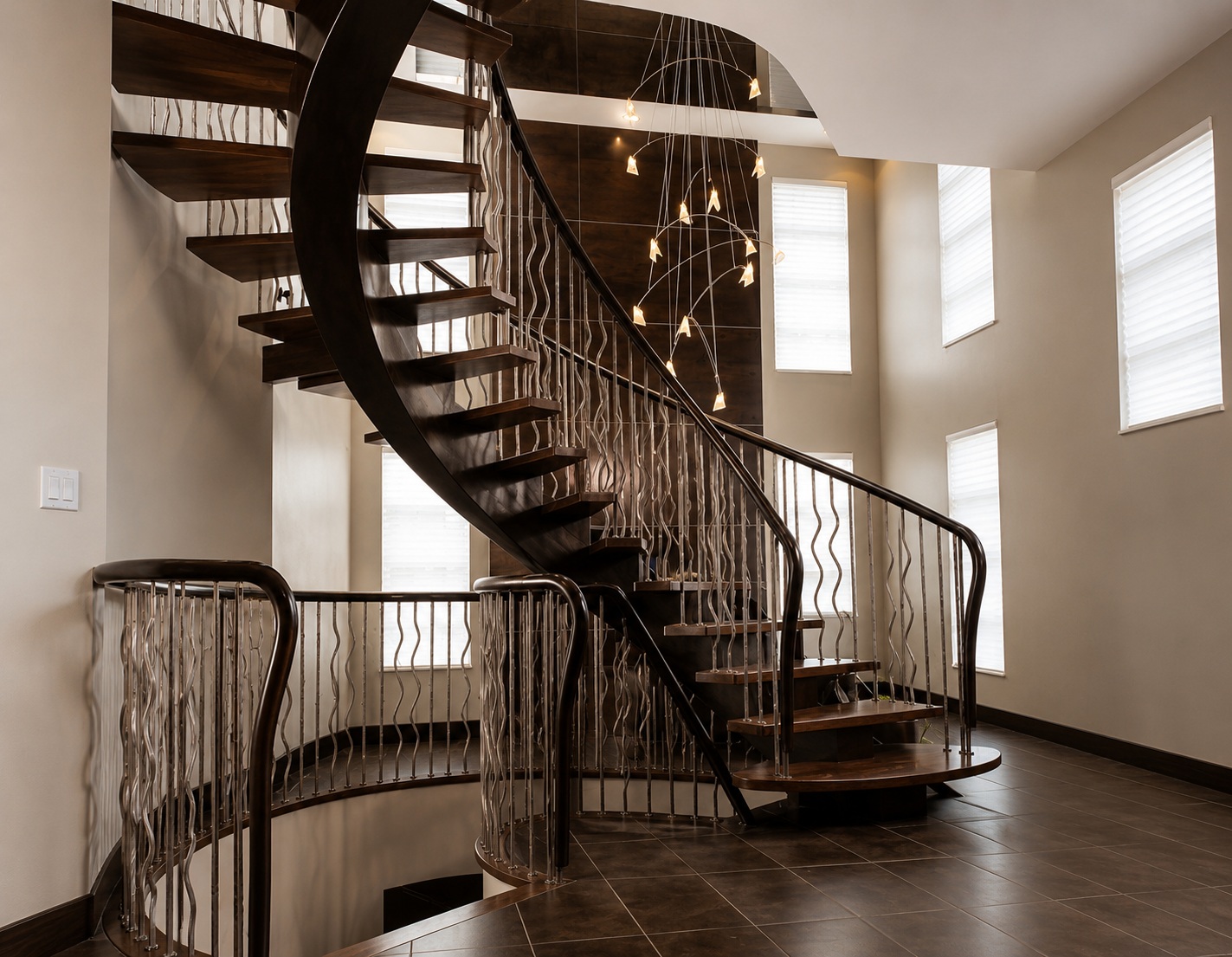
A metal and wood staircase pairs a steel structure with warm timber treads. The steel carries the load in a slim, strong frame, while the wood gives the surface you see and touch its warmth and grain. The mix joins the strength and clean lines of metal with the comfort of wood, which is why it suits so many modern homes.
This combination has quietly become one of the most popular ways to build a feature stair. This guide explains why the pairing works so well, how the timber treads actually fasten to the steel, and how the mix compares with an all-steel or an all-wood stair on look, feel, and upkeep. The aim is to help you picture the right balance for your own home.
What a Metal and Wood Staircase Is
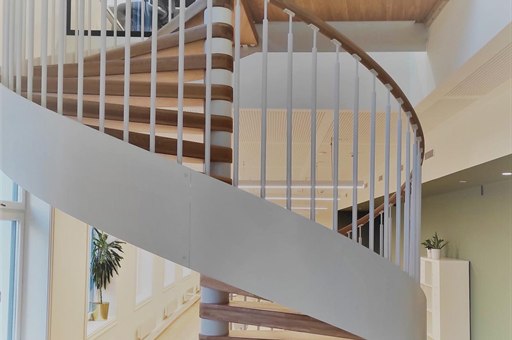
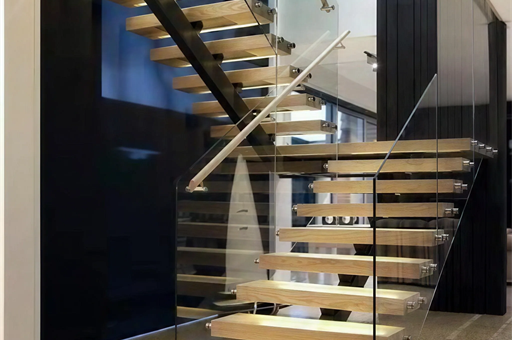
A metal and wood staircase is a stair whose structure is made from steel while its treads, the parts you actually step on, are made from timber. The steel forms the load-bearing skeleton, which can be a central beam, a pair of side stringers, or a slender open frame. The wooden steps then sit on that skeleton, so the metal does the structural work and the timber does the walking surface.
People describe the same idea in several ways, and the words are worth knowing because you will meet all of them. A metal staircase with wood treads, a steel and wood staircase, and a steel staircase with wooden steps all point to this one configuration. The proportions vary from project to project; some show a lot of exposed steel, while others let the timber dominate, but the principle stays constant throughout.
It helps to picture where the two materials meet. The steel frame is usually painted or powder-coated in a quiet colour, often matte black or a soft grey, so it recedes a little. The timber treads then read as the warm, tactile element that catches the eye. That clear division of labour, with metal underneath and wood on top, is the heart of the whole design and the reason it feels so balanced.
Why the Steel-and-Timber Mix Works
The pairing works because each material covers the other’s weakness. Steel is enormously strong for its size, so a steel frame can span a wide opening on a slim profile that a timber structure of the same span could not match. That slimness is what gives a metal and wood staircase its light, modern silhouette, where the structure almost disappears and the steps appear to float across the space.
Wood then answers the one thing bare steel cannot give, which is warmth. A solid timber tread feels softer and quieter underfoot than metal, it is gentler in temperature, and its grain brings a natural texture that a painted frame simply does not have. The result is a stair that is structurally lean yet comfortable to use, which is a balance that is genuinely difficult to reach with either material on its own.
There is a visual reason as well, and it matters as much as the practical one to most owners. The dark, precise lines of steel set off the warm tone of timber beautifully, and the contrast reads as both contemporary and inviting. The metal supplies the architecture and the discipline; the wood supplies the welcome. That tension between the two is exactly what gives the combination its lasting, broad appeal.
How the Wood Treads Fasten to the Steel
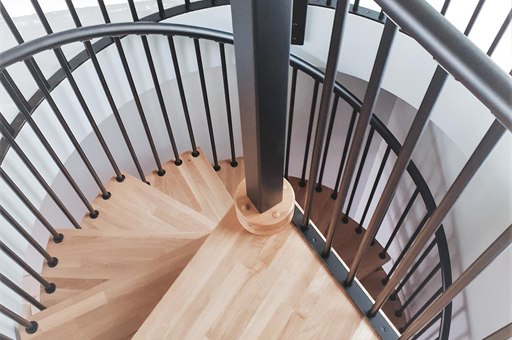
The join between timber and steel is the detail that decides whether a metal staircase with wood treads stays quiet and solid for decades. The most common method is a steel tread bracket or a flat plate welded to the frame, with the wooden step then bolted down onto it from below. Fixing from underneath keeps the top surface clean, so no screw heads interrupt the timber and the eye sees only an unbroken wooden step.
On a central-beam or a single-stringer stair, each tread often sits on its own steel tab or pocket that cantilevers out from the spine, and the timber is bolted to that tab. On a twin-stringer stair, the step bridges between the two side rails and fixes to a ledge or an angle on each one. Either way, the wood is held firmly to the metal at several points, so the tread does not flex, rock, or work loose over years of daily use.
A small but important refinement is a thin pad or an isolating layer between the timber and the steel. Wood and metal expand and contract at slightly different rates, and that buffer absorbs the tiny movement so the stair stays silent rather than developing a creak. These are the details we resolve on the shop drawing before any steel is cut, because a join that is planned on paper is far easier to get right than one improvised on site.
All-Steel vs All-Wood vs the Mix
It is worth seeing the combination against the two pure alternatives, because that is the choice most owners are really weighing. An all-steel stair is the most industrial and the most durable; an all-wood stair is the warmest and the most traditional; the metal and wood mix sits deliberately between them. The table below sets the three side by side on the points that tend to drive the decision.
| Factor | All-steel stair | Metal & wood mix | All-wood stair |
|---|---|---|---|
| Look | Industrial, sharp, modern. | Contemporary yet warm; high contrast. | Classic, soft, traditional. |
| Underfoot | Hard and cool; can be louder. | Warm timber surface; quiet to walk. | Warm and quiet throughout. |
| Profile | Slimmest structure possible. | Slim steel frame, solid wood steps. | Bulkier; timber needs more depth. |
| Upkeep | Wipe the finish; watch for chips. | Care for the timber; frame is easy. | Re-oil or refinish the wood over time. |
| Best setting | Loft, studio, raw industrial space. | Modern home wanting warmth and edge. | Period or country interior. |
Read across the rows and the appeal of the middle column becomes clear. The mix keeps the slim, modern frame of the all-steel stair and the warm, quiet tread of the all-wood stair. At the same time it sidesteps the cool, hard feel of bare metal and the heavier bulk of solid timber. That is why so many owners who start out looking at either pure option end up choosing the combination instead.
Look and Feel
In a room, a steel and wood staircase reads as a calm, confident piece of architecture rather than a busy one. The dark steel frame draws clean vertical and diagonal lines, and the timber treads lay a rhythm of warm horizontal bands across them. The eye follows that pattern up through the space, and because the frame is slim, light and the view carry straight through the stair instead of being blocked by it.
The feel underfoot is a large part of the appeal, and it is easy to underestimate until you use one. A solid timber tread is warmer to a bare foot than steel and noticeably quieter to walk, so the stair stays gentle in daily family use. The metal frame, meanwhile, keeps everything taut and rattle-free. You get the visual drama of exposed structure with none of the cold, clattering quality that a fully metal stair can sometimes carry.
A steel-tube staircase with timber treads and LED, in factory trial assembly. Tap to play.
Wood and Metal Choices
Within a metal and wood staircase you still have two material palettes to set, and together they tune the whole character of the stair. The steel side is mostly about finish. A matte black powder coat is the modern default and gives the sharpest contrast; a soft grey reads quieter; a clear-lacquered raw steel shows the metal’s own texture. The frame style, whether a single central beam, twin stringers, or an open zig-zag, then sets how much steel you actually see.
The timber side is where the warmth and the tone are decided. Oak is the most popular tread by a wide margin, prized for its hard wearing surface and its even, honest grain. Walnut runs darker and richer for a more dramatic pairing with black steel, while ash and maple stay pale and light. The table below sets out the common tread woods and the character each one brings to the combination.
| Tread wood | Character with a steel frame |
|---|---|
| Oak | The most popular choice. Hard wearing, with a warm mid tone and an even grain that suits almost any interior. |
| Walnut | Dark, rich, and dramatic. Pairs strikingly with black steel for a high-contrast, luxurious feature stair. |
| Ash / maple | Pale and light. Keeps the stair airy and bright, and lets a dark frame become the dominant line. |
| Engineered timber | A stable, layered core under a real wood veneer. Resists seasonal movement well and matches a wood floor. |
A frequent and reliable starting point is a matte black steel frame with oak treads, which suits a great many modern interiors and is forgiving to live with. From there, a darker walnut or a paler ash simply shifts the mood warmer or cooler. We commonly match the tread timber to the existing floor so the staircase reads as part of the room rather than a separate object dropped into it.
Maintenance and Longevity
A metal and wood staircase is straightforward to live with, and the two materials age in different but manageable ways. The steel frame, once powder-coated, asks for very little; an occasional wipe keeps it clean, and the only thing to watch is a knock that chips the coating, which is easy to touch up. A well-finished frame holds its colour and its crisp edges for many years with almost no attention.
The timber treads are the part that gradually shows life, and that is part of their charm rather than a flaw. A hard-wearing oak or a durable factory finish takes daily traffic well. Over the years a solid timber tread can be sanded and re-oiled to look fresh again, which is something a worn carpet or a scuffed laminate cannot offer. With sensible care, the combination is built to last as long as the house around it, and to look better as it settles in.
How We Build a Metal and Wood Staircase
At Double Building Materials, a steel and wood staircase begins as a shop drawing, not a kit off a shelf. We take your floor-to-floor height, the opening in the floor above, and the frame style and tread wood you want. We then turn them into a working drawing that fixes every steel section and every tread join. We cut no steel until you approve that drawing, because the tread fixings and the timber join are far easier to get right on paper than on site.
From there we fabricate the steel frame, finish it in your chosen colour, and prepare the timber treads, then trial-assemble the whole staircase on our Guangdong floor. That trial build, which you can see in the short clip above, is where we confirm the rise, the run, and the fit of every wooden step before anything ships. Once it passes, we crate the staircase for export so the parts arrive in the order your installer needs them.
Your own contractor or installer fits the staircase on site from our drawings, and we can help you find one where local installation is available. We do not install on site or sign off local code; that part stays with your local team, who confirm the stair against your adopted edition. With 25+ years of doing exactly this from a 4,500 m² factory, across 800+ projects in 60+ countries, the metal-and-wood join is well-travelled ground for us. To see the configurations we build, browse our steel staircase range.
Metal and Wood Staircase FAQ
Are metal and wood staircases a good idea?
Yes, for most modern homes a metal and wood staircase is a sound choice, because it joins the slim strength of a steel frame with the warmth of timber treads. The combination is durable, contemporary, and comfortable underfoot, and it suits a wide range of interiors. The main thing to settle early is the frame style and the tread wood.
How are wood treads attached to a steel staircase?
Wood treads usually bolt onto a steel bracket or plate that is welded to the frame, with the fixings run from underneath so the top surface stays clean. A thin isolating pad between the timber and the steel absorbs slight movement and keeps the stair quiet. The join is planned on the shop drawing before any steel is cut.
Which wood suits stair treads on a steel frame?
Oak is the most popular tread wood, valued for its hard-wearing surface and even grain, which is why it is a common starting point. Walnut gives a darker, richer contrast with black steel, while ash and maple keep things pale and bright. The right wood depends on the tone you want and the floor you are matching.
Is a steel staircase with wooden steps noisy?
A well-built steel staircase with wooden steps is quiet, not noisy. The timber tread is softer and quieter than bare metal underfoot, and an isolating pad at each tread join stops the wood and steel from rubbing. Noise is usually a sign of a loose fixing or a missing buffer, both of which careful fabrication prevents.
Do metal and wood stairs need much maintenance?
Not really. A powder-coated steel frame needs little more than an occasional wipe and the odd touch-up if it chips. The timber treads take daily traffic well and can be sanded and re-oiled over the years to look fresh again. Compared with carpet or laminate, the combination is low-maintenance and long-lived.
More from the steel cluster: start with our pillar guide to what a steel staircase is, then see the look-and-layout ideas in our modern steel staircase design guide. Ready to specify one? Browse the full steel staircase range.
Double Building Materials draws, manufactures, trial-assembles, crates, and ships your metal and wood staircase. Your own contractor or installer handles on-site installation and local code sign-off — we can help you find one where available. Material notes above are common references; your local adopted code edition governs any dimensions, so confirm the current version with your local team.
Talk to us on WhatsApp →