

Steel Stair Stringers Explained: Mono, Double & Detail Basics-Staircase Guides
Steel Staircase · Stringers
Steel Stair Stringers Explained: Mono, Double & Detail Basics
Steel stair stringers are the inclined steel beams that carry a staircase, with the treads fixed to them so the whole flight transfers its load to the floor. A staircase can run on one central beam, two outer beams, or an enclosed box, and steel lets each beam stay slim while spanning a long flight.
The stringer is the backbone of any staircase, and the steel version is what makes a slim, modern flight possible. This guide explains what a stringer does, the main stringer types and where each one suits, and the connection details that tie the treads to the steel. We keep the angle on configuration and detail, and link out where one type deserves a deeper read.
What a Stair Stringer Is
A stringer is the structural spine of a staircase, the inclined member that runs from the lower floor up to the landing and carries every tread along the way. Picture the diagonal beam that the steps sit on, and you are picturing the stringer. Without it, a tread is just a board with nothing to hold it; with it, the flight becomes one connected structure that transfers its load safely to the floor.
Most people only notice the parts they touch, which are the treads underfoot and the handrail at the side. The stringer does the quiet structural work behind that experience. It sets the pitch of the climb, fixes the spacing between treads, and decides whether the staircase reads as heavy and solid or light and floating. So when an architect talks about the look of a stair, the stringer is usually the element doing the talking.
Stringers can be cut from timber, formed in concrete, or fabricated in steel. Timber stringers suit a traditional enclosed staircase, and concrete suits a poured monolithic flight. Steel, the focus of this guide, is the material that lets a designer strip the staircase back to a slim, exposed beam, which is exactly the look most modern projects are asking for today.
What a Steel Stringer Does
Steel stair stringers do the same structural job as any stringer, but the material changes what is possible. Steel is far stronger than timber for its size, so a steel beam carries the same flight while staying considerably slimmer and shallower. That single property is why a steel staircase can look so light, because the structure shrinks while the strength stays. The visible beam becomes a clean line rather than a bulky frame.
A steel stringer is also a fabricated component, not a sawn one. We cut it from plate or section, weld it, and finish it before it ever reaches a project, so it arrives as a precise, repeatable piece. That precision matters, because every tread mounts to the same beam, and a steel stringer holds its geometry far better than a natural material under load. The result is a staircase whose proportions stay consistent from the first step to the last.
Steel gives the designer freedom as well as strength. The same metal stair stringer can be folded into a zig-zag profile that follows each step, machined flat as a single plate, or boxed into a closed section. Each form carries the staircase differently and reads differently in the room. So the choice of stringer is both a structural decision and an aesthetic one, and steel is the material that keeps both options open.
Steel Stair Stringers: The Main Types
A steel stringer staircase comes in a handful of recognisable configurations, and the number and position of the beams is what sets them apart. Choosing between them is the first structural decision on any project, because it shapes both the engineering and the finished look. The table below sets out the main types and where each one tends to suit.
| Stringer type | How it works and where it suits |
|---|---|
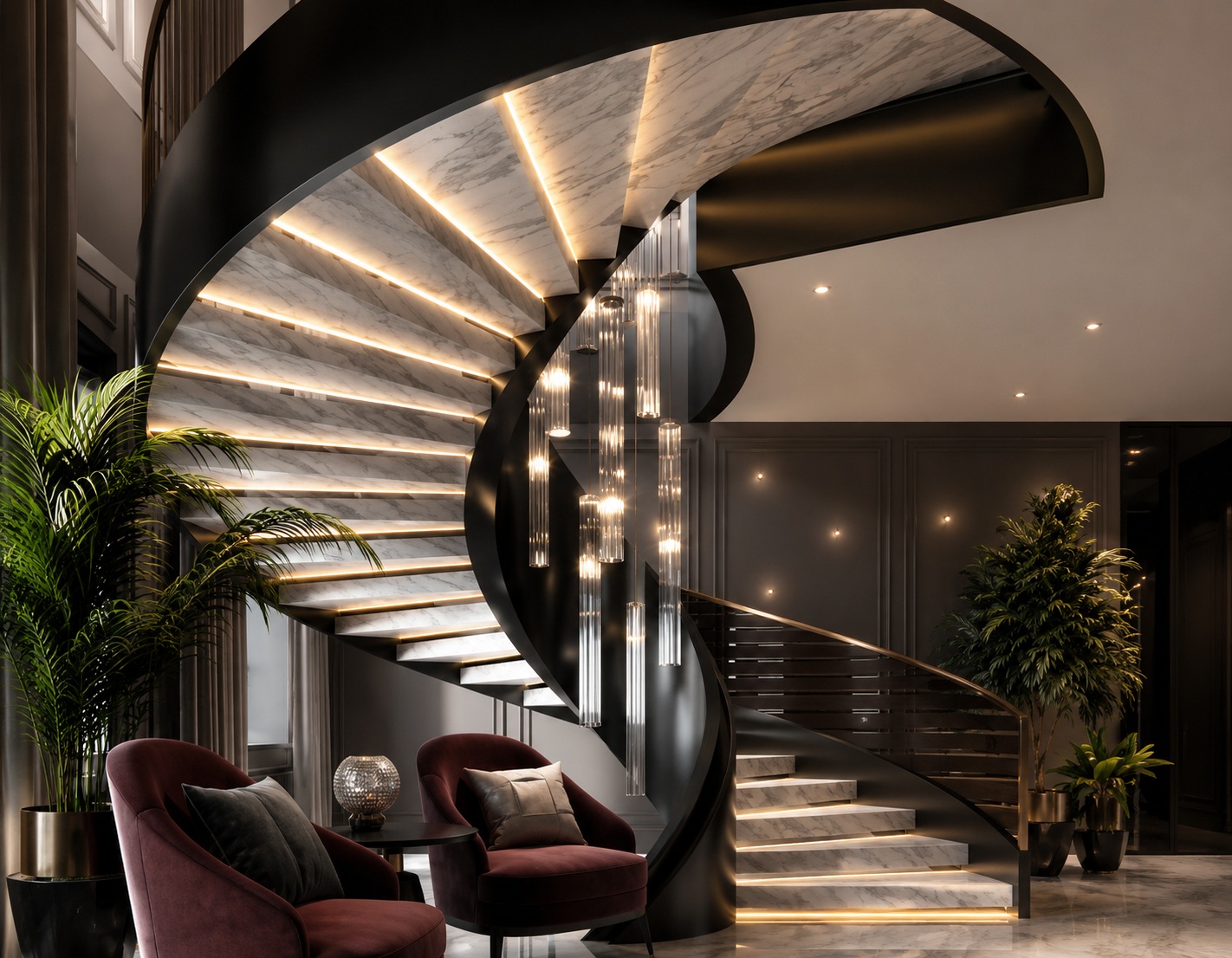
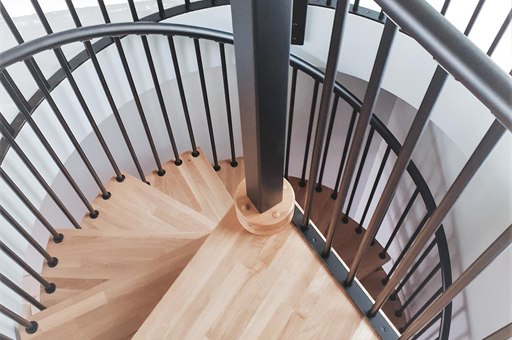
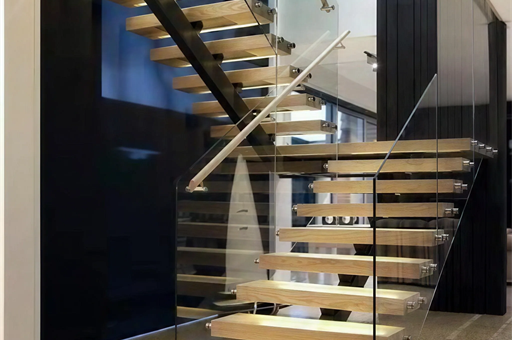
| Mono / single stringer | One central beam runs up the middle, and the treads cantilever to each side. It gives the lightest, most open look, and suits a feature stair in an open-plan room. It asks for the most engineering, because one beam carries everything. |
| Double / twin stringer | Two beams sit under the outer edges of the treads, sharing the load between them. It is the most familiar steel arrangement, reads solid and reassuring, and suits a main or high-traffic flight where a robust feel matters. |
| Box stringer | An enclosed rectangular section, hollow inside, used as one central beam or as a pair. The closed profile is stiff and clean-edged, hides welds, and suits a crisp, architectural staircase where a sharp line is wanted. |
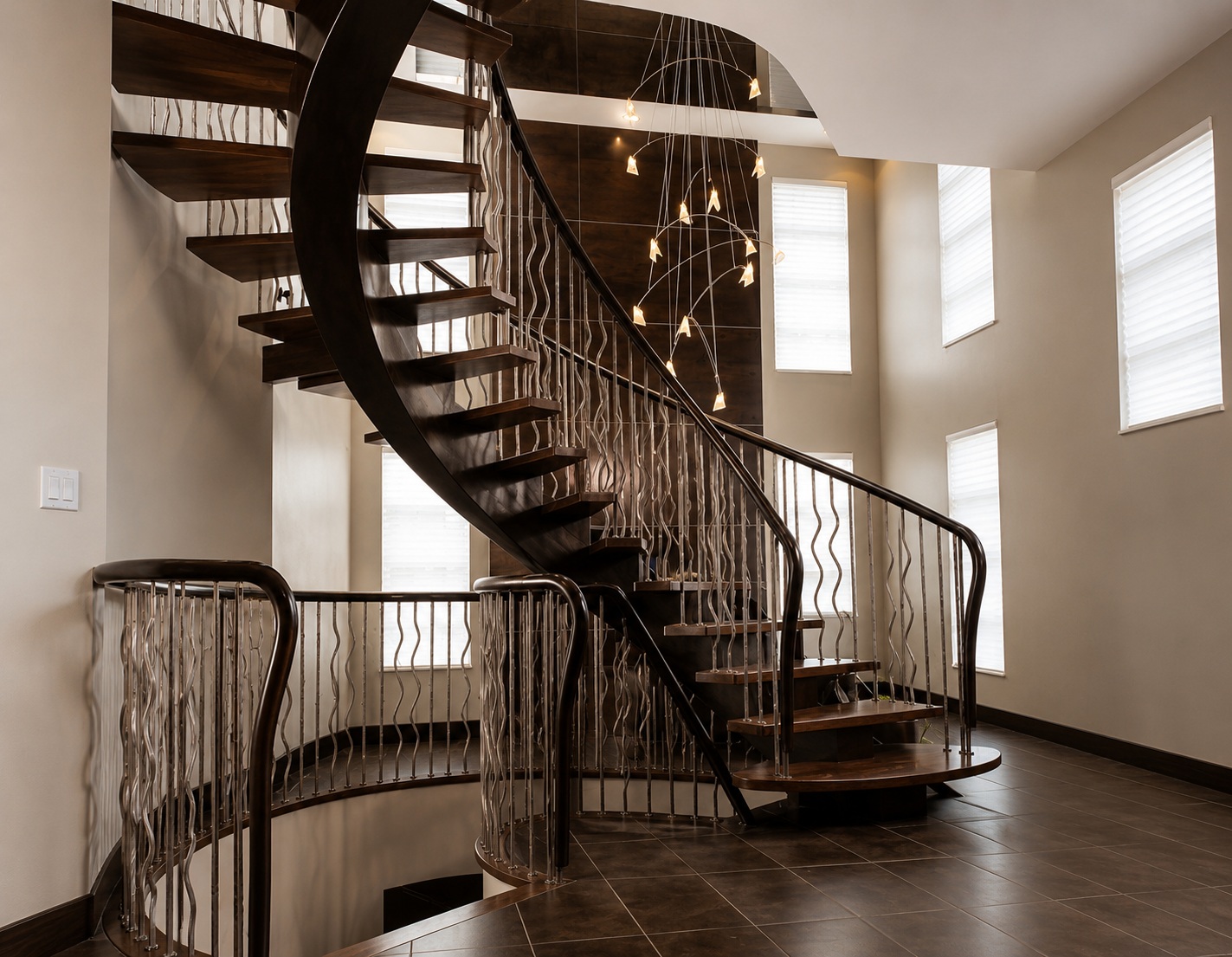
| Folded-plate stringer | A steel plate bent into the zig-zag of the steps, so the structure traces the stair itself. It can read as a single continuous ribbon, and suits a sculptural flight where the staircase is meant to be seen. |
The double stringer is the workhorse of the four, because two beams share the load and the engineering is straightforward. The mono stringer is the showpiece, demanding more from the steel but rewarding the room with a far lighter line. Because the single-beam version runs deep on its own, we cover it fully in the dedicated mono stringer staircase guide rather than repeating it here.
Closed vs Open Stringers
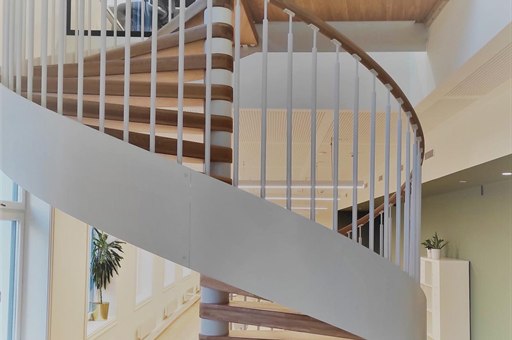
There is a second way to sort stringers that sits across the types above, and it is the difference between a closed and an open stringer. A closed stringer hides the ends of the treads behind a solid face, so you see a continuous diagonal edge rather than individual steps. An open stringer is cut into a saw-tooth profile, so each tread sits on its own step and the side of the staircase reveals the rhythm of the climb.
The choice changes both look and feeling. A closed stringer reads as solid, enclosed, and traditional, and it tends to suit a classic interior where the staircase is meant to feel grounded. An open stringer feels lighter and more contemporary, because daylight passes between the exposed treads and the flight no longer reads as a solid wall. Steel handles either approach cleanly, since a fabricated beam can be left as a continuous face or notched precisely for each tread.
Open and closed are not the same distinction as open-riser and closed-riser, though the two are often confused. The stringer term describes the side face of the staircase, while the riser term describes the vertical gap behind each tread. A modern steel flight is frequently open on both counts, which is what gives it that airy, see-through quality, but the two choices are made separately on every project.
Heavy-duty double-stringer stairs in fabrication on our factory floor.
Tread-to-Stringer Detail Basics
A steel stair stringer detail is simply the way the treads attach to the beam, and it is where a slim staircase is quietly made strong. The treads do not just rest on the steel; they are connected so the whole flight acts as one structure. Get that junction right and the stair feels solid underfoot, with no flex and no rattle. Get it wrong and even a heavy beam can feel uncertain to climb.
There are a few common ways to make the connection, and the table sets out the main ones. Each method changes how visible the fixing is and how much site work it leaves.
| Connection detail | What it is and how it reads |
|---|---|
| Welded tread plate | A flat steel plate welded to the stringer, with the finished tread fixed on top. The cleanest look, with the structure fully concealed, and our most common detail on a feature stair. |
| Bolted tread bracket | A bracket welded to the beam and bolted to each tread. It allows fine adjustment during assembly and makes a tread straightforward to lift later if it ever needs attention. |
| Notched seat | On an open stringer, the beam is cut into steps and the tread seats directly on each notch. The structure stays visible and traces the line of the climb. |
The tread material rides on top of whichever detail you choose, so the same steel stringer can wear timber, stone, or steel treads. A timber tread brings warmth to the metal, stone reads solid and luxurious, and a steel tread keeps the whole flight monolithic. The connection beneath stays the structural part of the conversation, and the tread on top stays the part everyone actually sees and feels.
Why Steel Spans Slim and Long
The reason designers reach for steel stringers for stairs comes down to one quality, which is strength for size. A steel beam carries far more load per inch of depth than timber, so the same flight can run on a slimmer, shallower member. That is why a steel staircase can clear a long span between supports while the visible beam stays as a clean, narrow line rather than a deep, heavy frame.
That slimness is structural, not cosmetic. A longer staircase, or one that must land without an intermediate support, simply needs a stiffer beam, and steel delivers that stiffness without adding bulk. So a stair that would demand a chunky timber stringer can run on a slim steel one, which is precisely the proportion a modern, open interior is after. The engineering is what allows the lightness, not a trick of styling.
The exact depth of any beam depends on the span, the load, and the configuration, and that calculation belongs to a qualified structural engineer for each project. We fabricate the stringer to the approved drawing rather than specifying the structure ourselves. What steel reliably gives, across configurations, is the option of a slimmer profile for a given flight, which is the property that makes the modern steel staircase look the way it does.
Choosing a Stringer Configuration
Pulling the choices together, the stringer configuration follows from the role the staircase plays and the look you are after. A double or box stringer reads solid and reassuring, and it often suits a main flight or a busier route where a robust feel is welcome. A mono stringer reads light and sculptural, and it tends to suit a feature stair where the staircase is meant to be the centrepiece of the room.
At Double Building Materials, a steel staircase starts as a drawing, not a kit. We take your floor-to-floor height, your opening, and your chosen stringer type, then turn them into a working shop drawing that fixes the beam, every tread connection, and the finish before any steel is cut. We cut nothing until you approve it. We then fabricate the stringer, trial-assemble the flight on our Guangdong floor to confirm the geometry, and crate it for export in the order your installer will need.
Your own contractor fits the staircase on site from our drawings, and we can help you find a local installer where that service is available. We do not install on site or sign off your local code; that stays with your local team and a qualified engineer. To see the configurations we build and start a drawing-led conversation, browse our steel staircase range. For the wider material picture, see our guide to what a steel staircase is.
Steel Stair Stringer FAQ
What is a stringer on a staircase?
A stringer is the inclined structural beam that runs up the side or centre of a staircase and carries the treads. It sets the pitch and the spacing of the steps and transfers the load of the flight down to the floor. In a steel staircase, that beam is fabricated from plate or section rather than sawn from timber.
How many stringers does a steel staircase need?
It depends on the configuration you choose. A double stringer staircase uses two beams under the outer edges of the treads, while a mono stringer staircase runs on a single central beam with the treads cantilevering to each side. The number of beams a given flight needs is a structural matter, confirmed by a qualified engineer on the project drawing.
What is the difference between an open and a closed stringer?
A closed stringer hides the ends of the treads behind a solid diagonal face, so the side of the staircase reads as a continuous edge. An open stringer is cut into a saw-tooth profile, so each tread sits on its own step and the climb is visible from the side. A closed stringer feels traditional and solid; an open one feels lighter and more contemporary.
How are treads attached to a steel stringer?
The treads connect to the beam through a detail, commonly a welded tread plate, a bolted bracket, or a notched seat on an open stringer. The connection makes the flight act as one structure, so it feels solid underfoot rather than flexing. The finished tread, in timber, stone, or steel, then sits on top of that detail.
Why use a steel stringer instead of timber?
Steel is far stronger for its size, so the same flight runs on a slimmer, shallower beam than timber would need. That lets a steel staircase clear a longer span and keep the visible structure as a clean line rather than a deep frame. It is the property behind the light, modern look of most contemporary steel stairs.
Read more in the steel cluster: start with what a steel staircase is. For the single-beam deep dive, see the mono stringer staircase guide. Or browse the full steel straight staircase range.
Double Building Materials draws, manufactures, trial-assembles, crates, and ships your steel staircase. Your own contractor or installer handles on-site installation and local code sign-off — we can help you find one where available. Beam depths and stringer sizing belong to a qualified structural engineer on your project drawing; we fabricate to that approved drawing rather than specifying the structure or certifying local code.
Talk to us on WhatsApp →