




House Railing: A Practical Guide to Choosing Railings for Your Home -Railing Guides
Railing Manufacturer Guides · House Railing
House Railing: A Practical Guide to Choosing Railings for Your Home
A house railing is the guard and handhold that runs along a stair, balcony, deck, or landing in a home, keeping people safe and shaping the look of the space. The right house railing balances four things: the material, the design, the safe height your local code asks for, and your budget.
Choosing a railing for your home sounds simple until you start shopping. This guide walks an owner through the whole decision in plain language. It covers where railings go, how to pick a material, and how design changes the feel of a room. It then explains what the safety rules ask for, and how a custom railing is made and shipped to your project.
What a House Railing Is
A house railing is the barrier and handhold that lines any spot in a home where the floor drops away. It does two jobs at once. It guards people from a fall along a stair, a balcony, or a deck edge, and it gives a hand something to hold while climbing or descending. Builders often split the term into two parts. The guard is the upright barrier that fills the gap, and the handrail is the graspable top rail your hand follows.
For most owners, though, the railing is also a design statement. It is one of the first things a guest sees in an entry hall, and it frames the view from a balcony or a terrace. A heavy ornamental railing reads classic and solid; a slim glass or cable railing almost disappears and keeps the view open. So a house railing is never only a safety item. It is a piece of architecture you live with every day, and it deserves the same care you give a kitchen or a bathroom.
The good news is that the choices are not as daunting as they look. Once you know where your railings go, the material, the design, and the safety height fall into place quickly. The rest of this guide takes each of those in turn.
Where Railings Go in a Home
Most homes need railings in more places than owners first expect. The staircase is the obvious one, but a railing also guards a balcony, a deck, a roof terrace, an open landing, and the edge of a mezzanine. Each location asks for a slightly different design, because each one sits in a different setting and faces different weather. Knowing where yours go is the first step to a clean, coordinated result.
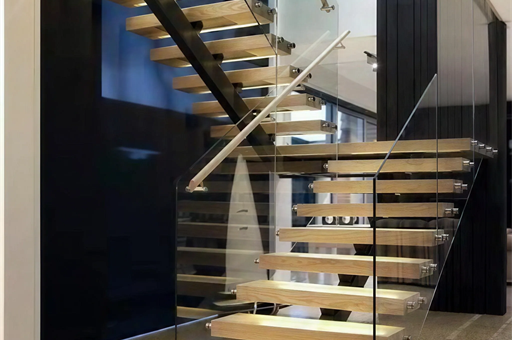
Indoors, the stair railing and the landing railing usually set the tone for the home, so many owners run a single style through both. A frameless glass railing on a villa stair, repeated on the upstairs gallery, keeps the sightlines open and the look unified. Outdoors, a balcony or terrace railing has to take rain, sun, and salt air, which steers you toward a finish built for weather. For a boutique-hotel terrace or a villa with frontage, a powder-coated metal or marine-grade stainless railing holds its finish far longer than an untreated one.
It pays to map every railing run before you choose a material. A condo corridor and a private deck have very different demands, and treating them as one order keeps the design consistent and the budget under control. When you talk to a maker, bring a simple list of every location, indoor and out, so nothing gets missed.
Choosing a Railing Material
Material is the single biggest decision, because it sets the look, the upkeep, and most of the budget. The common house railing materials each have a clear personality, and the table below sums up where each one fits. Think about the setting first, then narrow by style and budget.
| Material | Character and where it suits |
|---|---|
| Glass | The most open look. Keeps a view clear on a balcony, a stair, or a terrace. Needs tempered or laminated glass and the occasional clean. |
| Stainless steel | Slim, modern, and tough. A marine grade resists salt air, so it suits a coastal or exterior railing and a clean interior alike. |
| Aluminum | Light and rust-free. A powder-coated finish holds colour outdoors, which makes it a common choice for a deck or a porch railing. |
| Wrought iron | Classic and ornamental. Forged scrollwork suits a period home or a feature stair. Heavier and more crafted, and it wants upkeep outdoors. |
| Cable | Thin horizontal lines on a metal frame. Keeps a view almost as open as glass, and reads modern on a deck or an interior stair. |
There is rarely one right answer. Many homes mix materials, pairing a glass stair railing indoors with an aluminum deck railing outside, so each run suits its setting. If you want a side-by-side look at how the metals and glass compare on cost, upkeep, and weather, our guide to railing materials compared walks through each one in detail.
Design and the Feel of a Room
A railing changes the feel of a room more than almost any other detail at its size. A solid, closely barred railing makes a stair feel sheltered and traditional. A frameless glass panel or a thin cable infill makes the same stair feel light, modern, and open, because your eye travels straight through it. Before you settle on a material, picture how you want the space to feel, then let that guide the design.
Proportion and repetition do a lot of quiet work. A railing that carries one clean line through the stair, the landing, and the balcony ties a whole floor together. A mixed-up set of styles, run by run, makes a home feel busy. The infill matters too: vertical bars read formal, horizontal cables read relaxed and contemporary, and full glass reads luxurious and minimal. The handrail profile, whether round timber, slim metal, or a wide cap, is the part your hand meets, so choose one that feels good to hold.
For owners who like to gather ideas before committing, our railing design ideas guide collects looks across glass, metal, and cable for stairs, balconies, and decks. Save the ones that match the feeling you are after, and bring them to your maker as a starting point.
Safety and Code Basics
Every house railing has to clear a few safety rules, and they are simpler than they sound. The rules cover three things: how tall the guard has to be, how big the gaps between bars can be, and how a handrail should feel in the hand. The values below are common US references for homes. They are a useful starting point, not the final word, because your local adopted code edition is what actually governs the build.
| What the rule covers | Common US residential reference |
|---|---|
| Guard height (deck, balcony, landing) | At least 36 inches above the floor under common residential code (IRC). Decks above a set height often follow the same. |
| Stair handrail height | Commonly 34 to 38 inches above the stair nosing. |
| Gap between balusters | Small enough that a 4-inch sphere cannot pass — the “4-inch rule” for child safety. |
| Handrail grip | A graspable profile and a continuous run; public and accessible projects also follow ADA and IBC. |
These figures come from widely used references such as the IRC and IBC, with ADA and OSHA adding rules for public, accessible, and commercial settings like a condo corridor or a mixed-use lobby. Your local adopted edition is the one that governs, so confirm the current version with your local team or building official before you finalise a height. A good maker draws to the height and gap you confirm, then it is your local contractor and inspector who verify and sign off the finished install on site.
What Drives the Cost
House railing prices cover a wide range, and the material is the biggest reason. A plain metal railing sits at the affordable end, while frameless glass, marine-grade stainless, and ornamental forged iron sit higher. Because a custom railing is made to order, there is no single price tag to quote. There are drivers, and once you understand them you can shape the budget with your maker.
The main drivers are the material, the total length of railing, the infill style, and the finish. A long deck run in coated aluminum costs differently from a short glass stair railing. A premium finish, a complex curve, or a fully frameless glass panel all add to the figure, while a simple straight metal run is the most economical. Quantity helps too: ordering every railing in a home together is usually more efficient than buying them piecemeal.
We do not publish a price list, because every railing is drawn and built for one project. Any cost numbers you see online are best treated as third-party market estimates rather than a real quote. The honest way to budget is to settle the material and the design first, then ask a maker to price the actual drawing. To start that conversation with us, browse the balustrade and railing systems we manufacture and send through your locations and the look you are after.
How a Custom Railing Is Made
At Double Building Materials, a house railing starts as a drawing, not a catalogue part. We are a manufacturer with 25+ years of experience and a 4,500 m² factory in Guangdong, China, and we have shipped 800+ projects to 60+ countries, with around 90% of our work going to export. That track record sits behind a drawing-first way of working, where the detail is settled on paper before any metal is cut.
The sequence is straightforward. We take your measurements, your chosen material, and your confirmed heights, then turn them into a shop drawing for you to approve. Once you sign off, we fabricate the railing, then trial-assemble it on our factory floor so we can confirm the fit before anything ships. After that trial assembly passes, we crate the railing in export-ready packing in the order your installer will need it. Your own contractor fits it on site from our drawings, and we can help you find a local installer where that service is available.
It is worth being clear about the boundary. We draw, fabricate, trial-assemble, crate, and ship. We do not install on site or sign off your local code; that work stays with your local contractor and building official. Choosing a partner to build the railings throughout a home is a real decision. Our guide on how to choose a railing manufacturer lays out what to ask before you commit to a supplier.
Inside our factory — a tour of the workshop and a showcase of completed staircase and railing projects worldwide.
House Railing FAQ
What is the difference between a railing and a handrail?
A railing is the whole barrier along an edge, while the handrail is just the graspable top rail your hand follows. The railing as a whole, also called a guard, fills the gap to stop a fall; the handrail gives support while you climb or descend. On most home stairs the two are part of one assembly, so people often use the words loosely for the same thing.
How tall should a house railing be?
A guard along a balcony, deck, or landing is commonly at least 36 inches tall under US residential code, and a stair handrail commonly sits 34 to 38 inches above the nosing. Those are widely used reference figures rather than a fixed rule for your build, so your local adopted edition governs. Confirm the height with your local team or building official before you order.
Which railing material suits an outdoor area?
For a deck, porch, or terrace, the common choices are powder-coated aluminum, marine-grade stainless steel, and glass, because each handles weather well with little upkeep. Aluminum stays rust-free and light, stainless resists salt air on a coastal home, and glass keeps a view open. Untreated iron can be used outdoors but wants more regular maintenance to hold its finish.
Can I mix different railing styles in one house?
Yes, and many homes do. A common approach is one material indoors, such as glass on the stair and landing, and a weatherproof material like aluminum outside on the deck. The trick is to keep a shared design thread, such as a matching handrail profile or finish, so the home still feels coordinated rather than busy from run to run.
Do I need a custom railing or a ready-made one?
It depends on your project. A simple, standard-length deck may suit an off-the-shelf system, while a curved stair, a frameless glass run, or a whole-home set usually calls for a custom railing drawn to your measurements. A made-to-order railing fits your exact openings and confirmed heights, which matters most where the geometry is unusual or the look has to be precise.
Keep planning your home railings: read how to choose a railing manufacturer, compare options in railing materials compared, and gather looks in our railing design ideas guide. When you are ready to build, browse the full balustrade and railing systems we manufacture.
Double Building Materials draws, manufactures, trial-assembles, crates, and ships your house railing. Your own contractor or installer handles on-site installation and local code sign-off — we can help you find one where available. Heights and gaps above are common US residential references; your local adopted edition governs, so confirm the current version with your local team.
Talk to us on WhatsApp →