

Custom Railing Design: Planning a Made-to-Measure Railing -Railing Guides
Railing Manufacturer Guides · Buyer Guide
Custom Railing Design: A Practical Guide to Planning a Made-to-Measure Railing
Custom railing design is the process of shaping a railing to one exact project, rather than buying a stock kit. You choose the material, the infill, the post spacing, and the finish, then a maker turns it into shop drawings, fabricates the parts, and fits them to your real openings, stairs, and balconies.
A stock railing fits an average opening. Your home rarely has an average opening. This guide walks you through custom railing design the way an owner actually meets it. You decide on a look, pick a material, get the proportions right, read the code that shapes every choice, and see what a maker does from drawing to crate. Where a topic runs deep, we link to a focused guide.
What Custom Railing Design Means
Custom railing design starts from your project, not from a catalogue page. A stock kit comes in fixed lengths, with set post spacing and one or two finishes. It works when your opening happens to match. A made-to-measure railing instead takes the real run of your stair, balcony, or terrace and shapes every part to fit it. The posts land where you want them, the infill suits your view, and the finish ties into the rest of the house.
The word custom can sound expensive and slow, yet for many projects it simply means the right size. A villa with a curved frontage, a boutique-hotel terrace, or a condo corridor rarely runs in tidy stock lengths. Forcing a kit onto an odd run leaves awkward gaps and off-centre posts. A custom railing design removes that compromise, because the drawing is built around your measurements before anything is cut.
Good custom railing design is also a conversation. You bring a look and a budget; the maker brings the structure and the rules that keep it safe. Together you settle the material, the infill, and the proportions, and that agreement becomes a drawing. From there it is a buildable object rather than a mood board, which is the real value of designing a railing to order.
When a Project Calls for Custom Railing Design
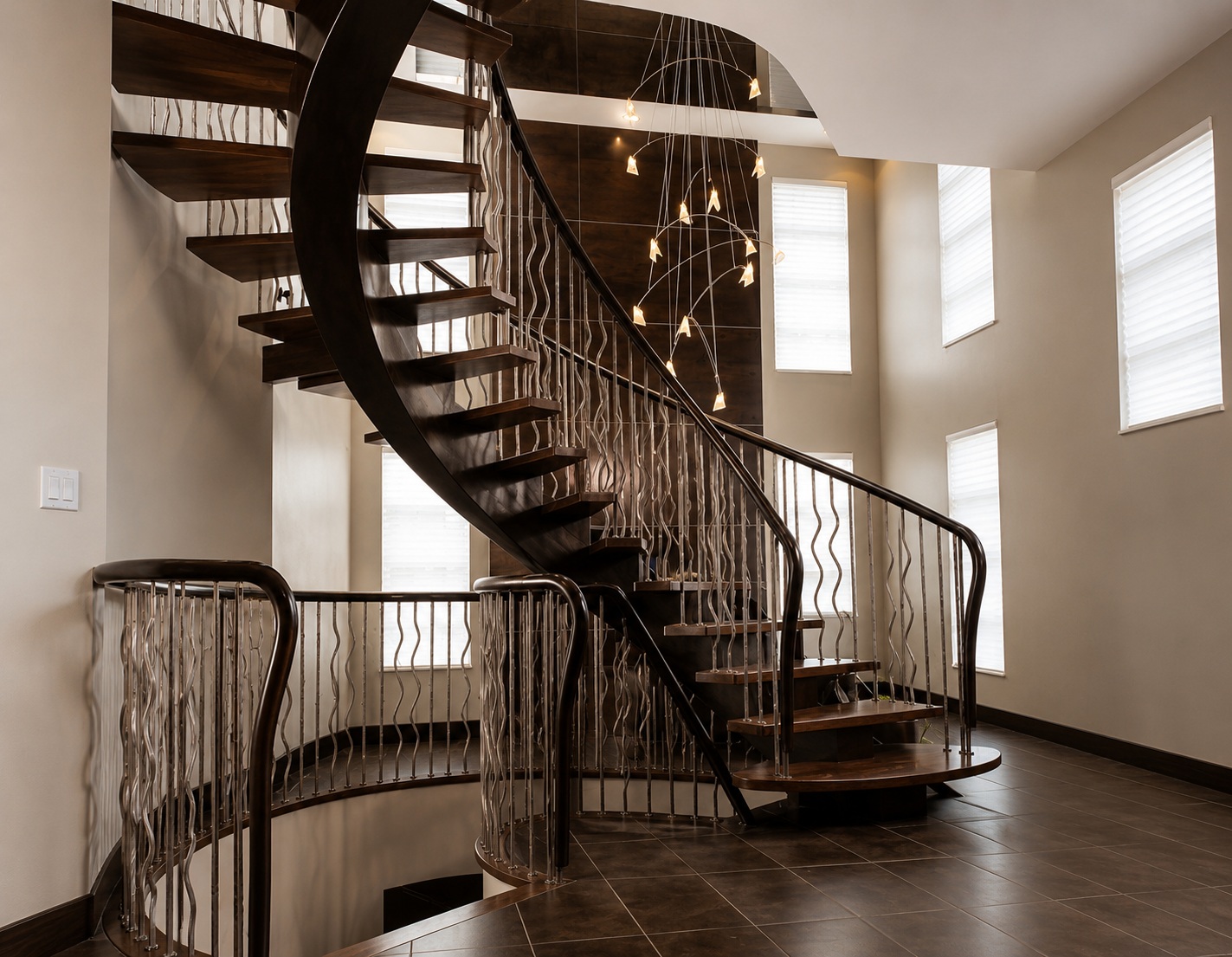
Not every railing needs to be custom, so it helps to know when a custom railing design earns its place. The clearest signal is geometry. A straight, standard run on a simple deck can take a stock system happily. A curved stair, a stepped terrace, a glass guard with a sea view, or a run that must dodge a column rarely will. Those shapes ask for parts cut to a drawing rather than picked from a shelf.
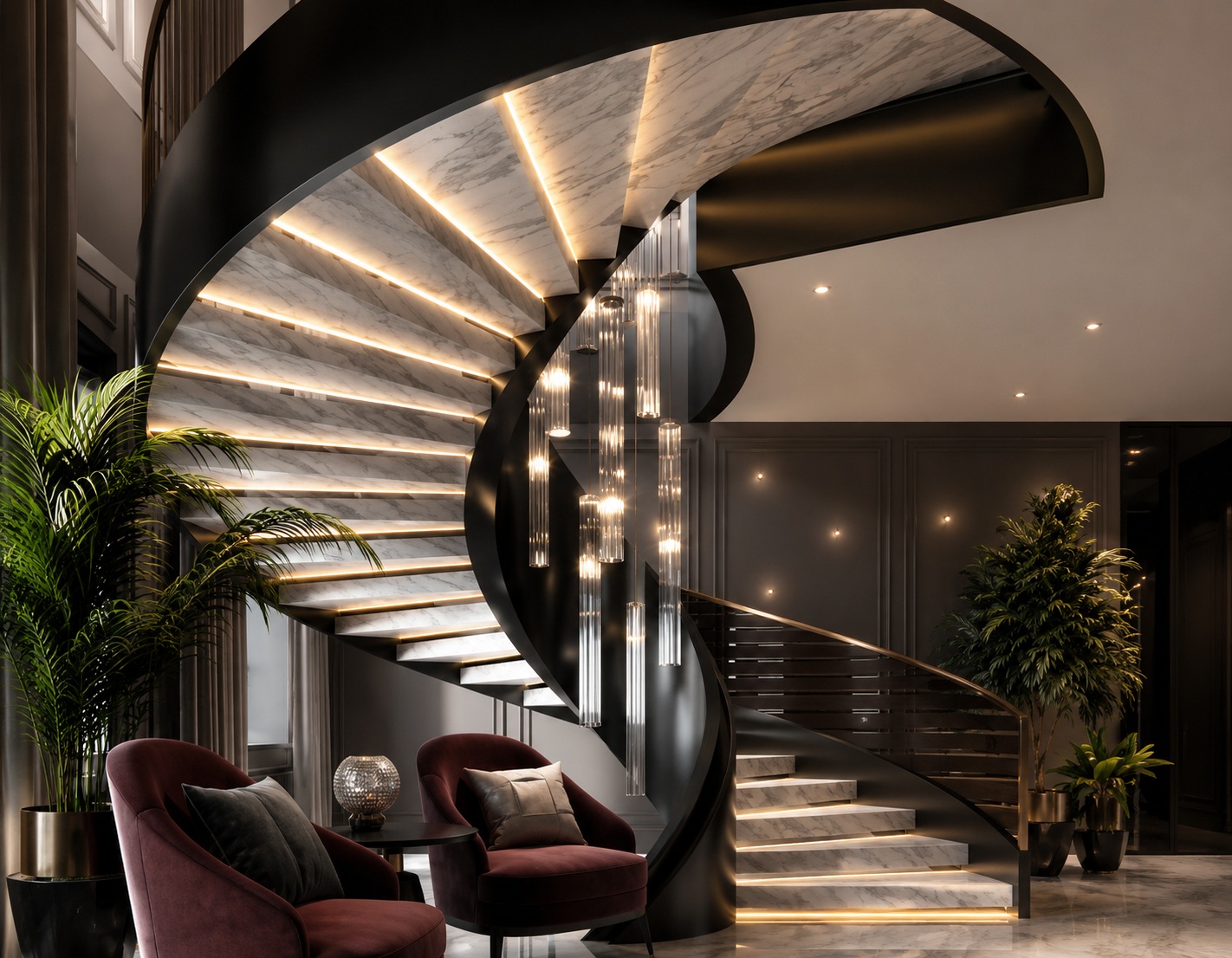
The second signal is the look. Owners of high-end homes often want the railing to read as part of the architecture, not as a hardware-store add-on. A villa with a stone frontage, a mixed-use lobby, or an apartment refit each carries a design language. A custom railing can speak it through the right metal, the right infill, and a finish that matches the joinery. A common pattern on these projects is one railing family running indoors and out, so the language stays consistent.
The third signal is volume. A developer fitting out a block of apartments, or an owner renovating several units, often needs the same considered railing repeated cleanly across many openings. A custom railing design typically pays back here, because one approved drawing then governs every unit, and the parts arrive labelled to suit each run.
Choosing the Material
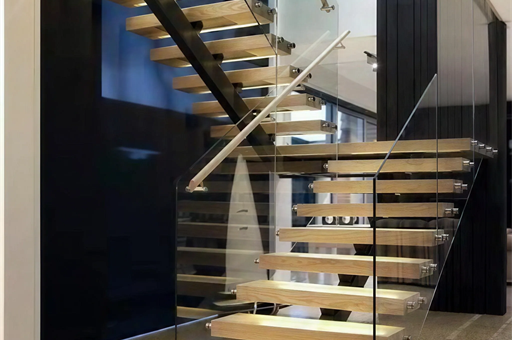
Material is the first big decision in any custom railing design, because it sets the look, the upkeep, and much of the budget. Each family has a character, and the right one depends on where the railing sits and how you want it to feel underhand. The table below sketches the main options the way an owner usually weighs them.
| Material | Character and typical use |
|---|---|
| Glass | The most open, light-filled look, framed or frameless. Often chosen to protect a view on a terrace or balcony. |
| Stainless steel | Crisp, modern, and durable. A 316 grade is common near the coast, where salt air is harsher on metal. |
| Cable | Thin horizontal lines that almost vanish, keeping the view open while reading as a clean, contemporary infill. |
| Aluminum | Light, powder-coated, and low upkeep. A practical choice for porches and exterior runs in many colours. |
| Wrought iron | Forged scrollwork and balusters for a classic, ornamental look that suits period and traditional homes. |
In practice many owners mix families within one custom railing design, such as a stainless top rail over a glass panel, or a slim metal frame with cable infill. The mix lets you tune the view, the touch, and the cost together. We compare the families side by side in our guide to railing materials compared, so you can match the metal to the setting before the drawing begins.
Getting the Proportions Right
Proportion is where a custom railing design either sings or jars, and it is the part owners feel before they can name it. The post spacing, the rail thickness, and the rhythm of the infill all read at a glance. Posts set too close make a balcony feel caged; posts set too far apart look flimsy and may break the rules. A maker balances the spacing against the structure so the railing looks calm and stands firm.
The top rail is the part your hand meets, so its profile matters more than its size on a drawing. A slim rail suits a modern glass guard; a rounded timber or a generous metal rail suits a grand stair. The infill then sets the mood. Vertical balusters feel traditional, horizontal cable feels contemporary, and a single glass panel feels open and quiet. Holding these in proportion to the room is the quiet craft behind a good design.
Scale to the building, too. A boutique-hotel terrace and a compact apartment balcony want different weights of railing, even in the same material. This is exactly where a custom railing design beats a stock kit, because the proportions follow your actual run instead of an average one. For inspiration on getting that balance right, browse our railing design ideas.
The Code That Shapes Every Design
A railing is a safety barrier first and a design object second, so the code quietly shapes every custom railing design. The look you want must live inside a few firm rules: how tall the guard must stand, how wide a gap the infill may leave, and how much force the assembly must resist. These numbers are not there to spoil the design; they are what keep a child from slipping through and a leaning adult from going over.
The table below lists the common US reference figures owners meet most often. Treat them as a starting point, not a final ruling, because the edition your jurisdiction has adopted is what actually governs.
| Common reference (US) | Typical value owners meet |
|---|---|
| Residential guard height (IRC) | Commonly 36 inches minimum on a home balcony or deck. |
| Commercial guard height (IBC) | Often 42 inches in a hotel, condo lobby, or mixed-use building. |
| Infill gap (the 4-inch sphere) | Gaps usually must not let a 4-inch sphere pass, which sets baluster and cable spacing. |
| Graspable handrail (ADA / IBC) | On stairs and ramps, a continuous handrail of a graspable profile is typically required. |
| Workplace platforms (OSHA) | Industrial walkways and platforms follow their own guard rules, separate from homes. |
These are widely used reference values for a US setting; for projects in Australia or Europe, families such as AS 1288, the NCC, or local standards apply instead. Your local adopted edition governs, so confirm the current version with your local team or building official. A good maker designs to leave headroom inside these rules, so the railing meets the spirit of the code, not only its minimum.
Inside our factory: every millimetre measured before a project ships — the same checking discipline behind a custom railing.
From Drawing to Crate
A custom railing design becomes real through a clear sequence, and knowing it helps you plan and ask the right questions. At Double Building Materials, the work begins with drawing-first coordination. We take your measurements, your chosen material, and your look, then turn them into a shop drawing that fixes every post, rail, and panel. Nothing is cut until you approve that drawing, because a railing leaves little room to fix a wrong length on site.
Once the drawing is signed off, we fabricate the parts in our 4,500 square metre factory in Guangdong, China, where we have built railings and staircases for more than 25 years across 800-plus projects in 60-plus countries. Custom work draws on that experience, since each new run is shaped from real measurements rather than a fixed kit. The cut, welded, and finished parts are then ready for the step many buyers value most.
Before anything ships, we trial-assemble the railing on our factory floor. That trial build is where we confirm the fit, the spacing, and the finish, so problems surface here and not on your balcony. Once it passes, we crate it for export, labelled in the order your installer will need. Your own contractor fits it on site from our drawings, and we can help you find a local installer where that service is available. To see the railing systems behind this process, visit our custom balustrade and railing systems.
Common Planning Mistakes to Avoid
A few mistakes show up again and again in custom railing design, and most are easy to dodge once you know them. The first is leaving the railing until last. By the time the floor and the balcony edge are finished, some choices are already closed. Bringing the railing into the plan early lets the fixing points, the post bases, and the edge detail all suit the railing you actually want.
The second is measuring loosely. A railing is unforgiving about length, since a run that is short by an inch leaves a gap, and a run that is long will not seat. This is why drawings and a proper site survey matter, and why a maker would rather work from confirmed measurements than from a rough sketch. The third is choosing a finish for the showroom rather than the setting; a mirror polish that dazzles indoors can fight the light on a sunlit terrace.
The last common slip is treating code as paperwork to settle later. The guard height and the infill gap shape the design from the start, so folding them in early avoids a redraw. Read more on weighing a supplier and the questions to ask in our pillar guide on how to choose a railing manufacturer.
Custom Railing Design FAQ
Is custom railing design more expensive than a stock kit?
It often costs more than a basic stock kit, because the parts are cut and finished to your run rather than mass-produced. The gap narrows on odd-shaped or repeated runs, where a kit would waste material and leave compromises. Since every railing is made to order, price tracks the material, the size, and the finish, so we quote each project from its drawing.
What information does a maker need to start a custom railing design?
Typically your measurements or drawings of the run, the floor and balcony edge detail, the material and finish you want, and the look you are after. Photos of the space and any architect drawings help a great deal. From there a maker produces a shop drawing for your approval before any part is cut, which is the safest way to lock the design.
Can I match a custom railing to my existing stairs and balcony?
Yes, and this is one of the main reasons owners choose custom. A made-to-measure railing can run the same material, profile, and finish indoors and out, so a stair, a landing, and a terrace all read as one family. Sharing photos and the finish of your existing joinery helps the maker tune the railing to match.
How long does a custom railing take to make?
It depends on the material, the size, and the finish, so a maker can only give a realistic lead time once the drawing is settled. The drawing and approval stage is worth the patience, because it removes guesswork before fabrication. As a made-to-order manufacturer, we share an honest timeline for each project rather than a one-size figure.
Does a custom railing have to follow building code?
Yes. A custom design gives you freedom on the look, but the guard height, the infill gap, and the load it must resist still follow the code adopted where you build. A good maker designs inside those rules from the start. Your local adopted edition governs the final values, so confirm them with your local team or building official.
Keep planning with our pillar on how to choose a railing manufacturer. Weigh the metals in railing materials compared, gather looks from our railing design ideas, or read the whole-home view in our house railing guide. When you are ready, browse the full balustrade and railing range.
Double Building Materials draws, manufactures, trial-assembles, crates, and ships your custom railing. Your own contractor or installer handles on-site installation and local code sign-off — we can help you find one where available. Code figures above are common US reference values; your local adopted edition governs, so confirm the current version with your local team or building official.
Talk to us on WhatsApp →