

Railing Materials Compared: Glass, Steel, Aluminum, Cable & Iron -Railing Guides
Railing Manufacturer Guides · Materials Comparison
Railing Materials Compared: Glass, Steel, Aluminum, Cable & Iron
The main railing materials are glass, stainless steel, aluminum, cable, wrought iron, and wood. Each one trades looks, upkeep, cost, and weather resistance in its own way. Glass keeps a view open, aluminum resists rust with little care, and stainless steel suits the coast. The right railing materials depend on your setting, your climate, and the look you want.
A railing is the one detail people touch, look through, and judge on every visit, whether the project is a villa terrace or a hotel lobby. The material you specify sets how the railing feels, how much of the view survives, and how much upkeep the building takes on for years. This guide compares the main railing materials side by side. It shows what each one does well, where it struggles, and how to match one to your project and your climate.
How to Compare Railing Materials
Comparing railing materials comes down to four honest questions, and your answers narrow the field fast. First, how much of the view do you want to keep? A glass infill almost vanishes, while a patterned metal railing frames the outlook instead. Second, what does the setting throw at the railing? A coastal terrace, a poolside deck, and a sheltered condo corridor each reward a different metal and a different finish over the years.
Third, how much care is realistic for the owner or the building manager? Some railing materials wipe clean and need nothing else. Others want a fresh coat now and then to stay sharp. Fourth, what style suits the project, modern and plain or classic and ornate? Once those four answers are clear, the materials below sort into a short list. The sections that follow take each one in turn, so you can weigh looks, upkeep, life span, and budget together rather than guess.
It also helps to think in project scenarios. A boutique-hotel terrace leans one way; a run of condo-corridor guards on a developer schedule leans another; a villa with a generous frontage is freer still. Keeping your own project in mind as you read keeps the comparison practical rather than abstract, and it points you to the railing materials that will still look right in a decade.
Glass Railing
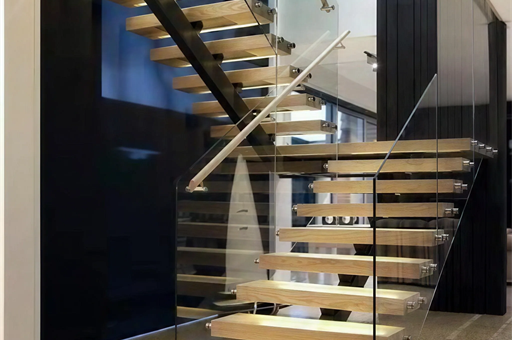
Glass is the material owners reach for when the view is the whole point. A toughened or laminated glass infill guards the edge without blocking the outlook, so a terrace over water, a valley, or a city skyline keeps its drama intact. Frameless and minimal-frame systems read as almost unseen. That is why glass leads on modern villa terraces and mixed-use lobbies where light and sightlines matter most.
Railing glass is safety glass, often toughened, laminated, or both, so a damaged panel stays held together rather than dropping. Common rules such as AS 1288 in Australia and the ASTM and IBC clauses in the United States set out how that glass is sized for a guard. Your local adopted edition is what actually governs. The honest trade-off is care. Glass shows fingerprints, rain spots, and salt film, so it asks for a regular wipe to stay clear. For panels, fixings, and finishes, see our glass railing guide.
Stainless Steel Railing
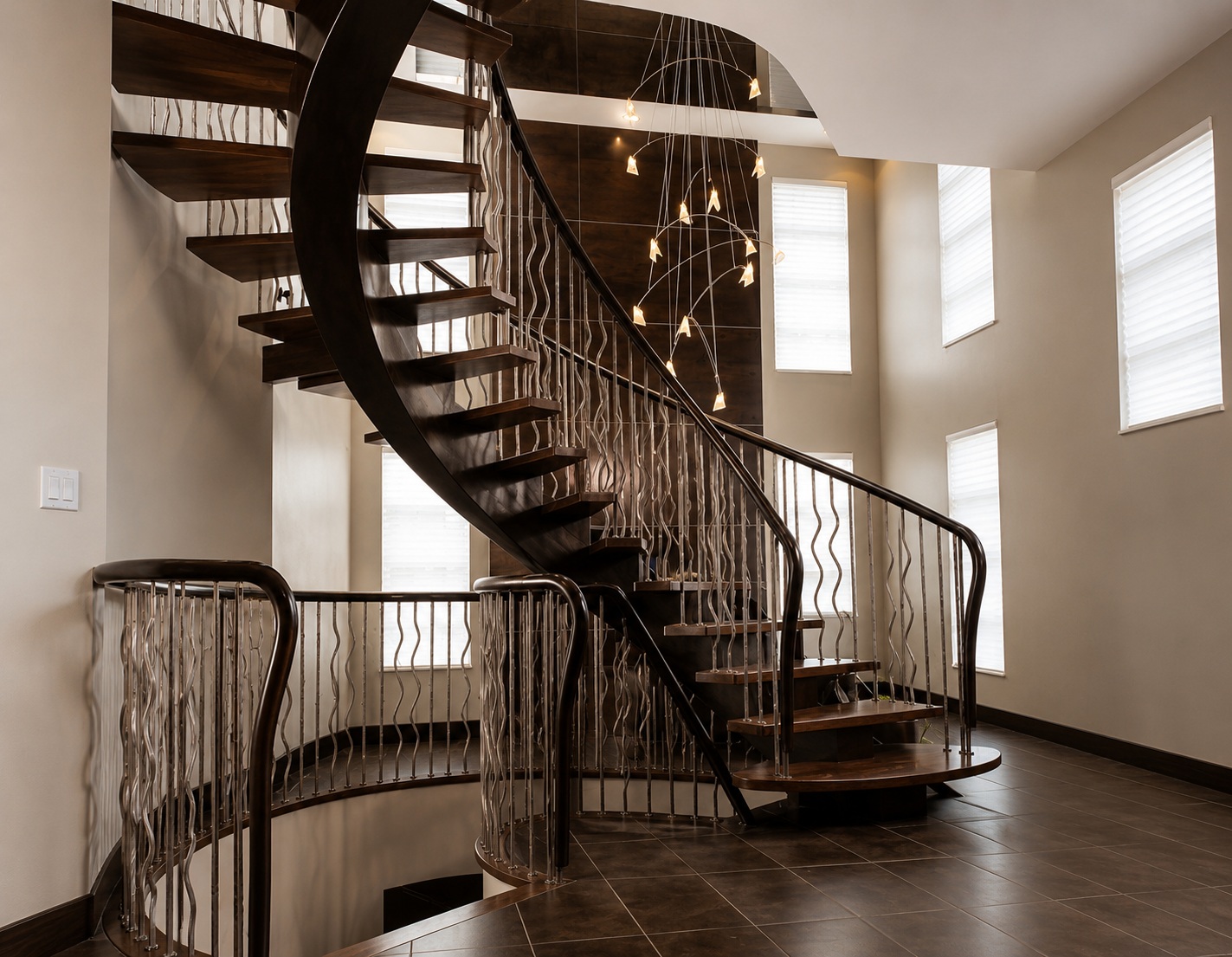
Stainless steel is the quiet pro of railing materials, strong, slim, and built to resist rust. A brushed or polished stainless posts-and-handrail system pairs well with glass infill or cable, and it carries a crisp, clean look that ages well. For a project that wants metal to stay bright with little fuss, stainless is the safe middle ground between fine glass and heavier iron, which is why it suits hotels and high-end homes alike.
The grade matters more than anything else here. Grade 304 stainless suits most inland and sheltered settings, while grade 316 adds a metal called molybdenum for far better defence against salt and chlorides. That is why 316 is the common pick for coastal and poolside sites. Choosing the right grade up front keeps a stainless railing from staining years later. The metal still gains from a rinse and wipe now and then, above all near the sea, but it never needs repainting. Stainless is a frequent choice for boutique-hotel terraces because it balances long life, slim profiles, and a clean modern face. Our stainless steel railing design guide goes deeper on grades and finishes.
Aluminum Railing
Aluminum is the handy favourite where low upkeep is the priority. It is light, it resists rust by nature, and it is almost always powder-coated, which gives a tough colour finish that resists fading and chalking. Because it never rusts the way carbon steel can, aluminum is a common choice for condo corridors and developer batches, where many units need one low-care railing across many years and one consistent finish.
The powder-coat finish is the real plus. A good coating shrugs off rain and sun, so the railing keeps its colour with little more than a wash now and then. Aluminum is also easy to shape into clean, slim profiles, which suits a modern building, and it can be styled to echo an older look where the project calls for it. The trade-off is that aluminum is softer and lighter than steel, so it is built with wider post spacing and thicker sections rather than leaned on for the same raw strength. For most railings that is a non-issue, and the upkeep savings are large over the life of the building.
Cable Railing
Stainless steel cable infill stretches thin level lines between posts, so it keeps a view very open while costing less than full glass. Cable suits modern and coastal projects, from a villa frontage to a deck that wants to feel almost edgeless. It relies on correct tension and close cable spacing to meet the guard rules that limit how large a gap may be. That is why the posts and the end fittings have to be engineered for real load, not just chosen for looks.
The honest trade-off with cable is the structure behind it. The end posts take serious tension, so they need to be sized and braced properly, and the cable wants the right marine-grade stainless near the sea. Done well, cable gives an airy, almost clear guard with low upkeep, since a periodic tension check and an occasional wipe are usually all it needs. It is a popular choice for owners who want the openness of glass without the cleaning, and it reads as crisp and contemporary on the right building.
Wrought Iron and Wood Railing
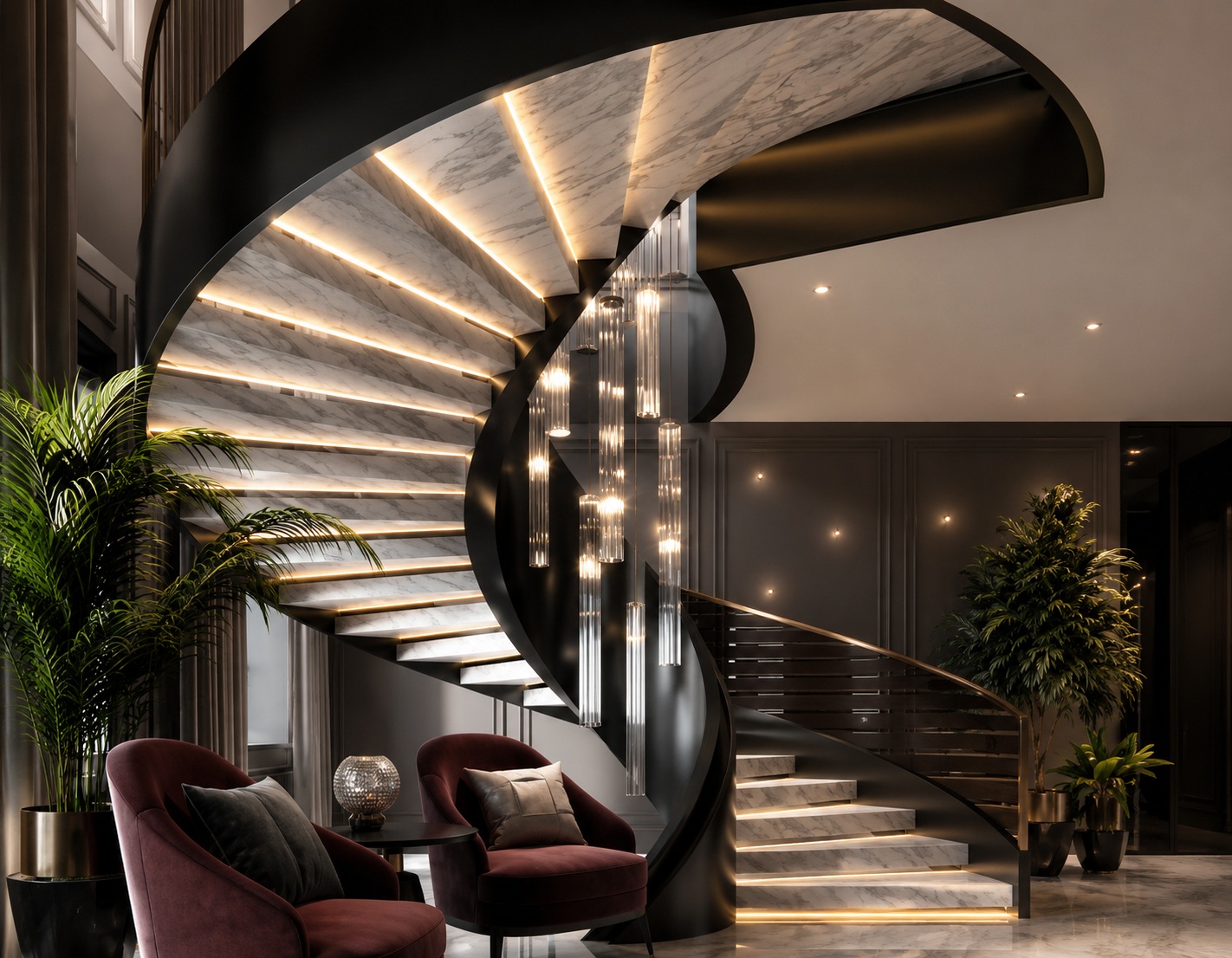
Wrought iron is the material of character. Forged scrollwork, ornamental balusters, and substantial handrails give a railing a classic, crafted presence that no extruded profile can match. On a period facade, a Mediterranean-style villa, or a heritage lobby, an iron railing reads as architecture rather than hardware, and it is the natural choice where the look should be ornate and timeless. The honest trade-off is weight and upkeep. Iron is a steel-based metal that will rust if its coating breaks down, so it wants a galvanised base, a good finish, and a fresh coat now and then.
Wood, usually as a timber handrail or infill, brings warmth that metal cannot. A timber top rail over a metal or glass system softens the whole railing and ties it to a wooden floor or facade. The trade-off is the most upkeep of any option here, because bare timber needs regular sealing or oiling to survive sun and rain. For that reason, wood on a railing often shows up as a warm accent on a low-care metal frame rather than the full guard. The table below sets all six railing materials side by side so you can scan them at a glance.
| Material | Look | Maintenance | Well suited to |
|---|---|---|---|
| Glass | Open, frameless, modern | Regular wipe to stay clear | View-driven villas and lobbies |
| Stainless steel | Crisp, slim, architectural | Occasional rinse; no repaint | Coastal and hotel projects (grade 316) |
| Aluminum | Clean, powder-coated colour | Very low; occasional wash | Condo corridors and developer batches |
| Cable | Airy, thin horizontal lines | Low; check tension periodically | Open-view modern and coastal decks |
| Wrought iron | Ornamental, classic, crafted | Periodic repaint, especially coastal | Period and Mediterranean facades |
| Wood | Warm, natural, traditional | Highest; regular sealing or oiling | Warm accent handrails on metal frames |
Our railing materials compared for coastal homes — Double Building Materials.
Matching the Material to Your Climate
Climate often decides the winner before style does, so it earns a section of its own. A coastal terrace lives in salty air that attacks metal hard, which is why grade 316 stainless steel, marine-grade cable, and good powder-coated aluminum are the common picks near the sea. Carbon steel and bare iron struggle there unless they are galvanised, well finished, then watched and cared for over time. The wrong railing materials at the coast can stain within a season.
Inland and sheltered settings are far more forgiving, so almost any material does well and the choice comes back to look and budget. Hot, sunny terraces reward finishes that hold their colour, which favours powder-coated aluminum and laminated glass with a good interlayer. Cold or freeze-thaw climates put stress on fixings and the base, so a rust-proof fastener spec matters as much as the railing material itself. The takeaway is simple. Name your climate first, then let it rule out the materials that will not last, and choose for style from what is left.
Cost and Maintenance Drivers
Railing materials cover a wide price range. Because every system is made to order, the smart way to think about budget is in drivers rather than one figure. The material itself is the first driver. Powder-coated aluminum and cable tend to sit at the lower end. Stainless steel and glass fall in the middle to upper band. Ornamental wrought iron sits at the higher end once the forging work is counted. We price each project from its drawing, so there is no fixed price list here.
Beyond the raw material, several drivers move the budget. Frameless glass and slim minimal-frame systems cost more than a posted infill. A higher stainless grade such as 316 costs more than 304 but earns its keep at the coast. Ornamental ironwork rises with the detail of the pattern, and powder-coat colour and finish quality matter too. Upkeep is a long-run driver that is easy to overlook. A bit more spend up front on a low-care material like aluminum or 316 stainless can cost less over the life of the building. A cheaper material that needs frequent repainting or sealing often costs more in the end. When you are ready to plan, our custom balustrade and railing systems cover every material here in one place.
Code and Safety Basics
Whatever material you choose, a railing is a guard, so it has to meet the safety rules for height, gap, and load. Common US references put the guard height for a home at around 36 inches, and many areas ask for 42 inches above a set fall height, which is normal in shops, offices, and apartment corridors. The infill is usually set so a 4-inch ball cannot pass, and the guard must hold a defined load at the top rail. In a workplace setting, OSHA references add their own height and load rules. These are widely used reference values, and your local adopted edition is what actually governs.
The material choice ties into code in real ways. A glass guard is sized as safety glass under rules such as ASTM, IBC, and AS 1288, while cable infill must be tensioned and spaced so the gap stays within limits. Aluminum and stainless systems are built with post spacing and section sizes that carry the load. None of this should alarm an owner. It simply means the railing has to be designed, not just styled. We cover the numbers in detail in the guide on how to choose a railing manufacturer, and we always suggest you confirm the current edition with your local team before we build.
Railing Materials FAQ
What are the most common railing materials?
The most common railing materials are glass, stainless steel, aluminum, cable, and wrought iron, with wood often used as a warm handrail accent. Glass and cable keep a view open, aluminum and stainless steel resist rust with little care, and wrought iron adds ornamental character. Many projects combine two, such as metal posts with a glass or cable infill.
Which railing material lasts longest with the least maintenance?
Powder-coated aluminum and grade 316 stainless steel are the standout low-maintenance options, because neither rusts and both hold their finish for years with little more than an occasional wash. Glass and cable are also low-upkeep, needing a wipe or a tension check rather than repainting. Wrought iron and timber demand the most regular care to stay in good condition over time.
Which railing material suits a home near the ocean?
Salt air is the deciding factor at the coast, so corrosion resistance comes first. Grade 316 stainless steel, marine-grade stainless cable, and quality powder-coated aluminum are the common coastal choices because they resist salt far better than ordinary steel or untreated iron. Laminated glass with stainless fixings also performs well. Whatever you choose, a corrosion-resistant fastener specification matters as much as the railing itself.
Is glass or metal better for a railing?
It depends on what you value. Glass preserves the view and reads as almost invisible, which suits a project with a strong outlook, but it shows marks and needs cleaning. Metal, whether aluminum, stainless, or iron, offers more pattern and character and often lower cleaning effort, while framing the view rather than dissolving it. Many owners combine the two, using metal posts with a glass or cable infill.
Can I mix railing materials in one project?
Yes, and mixing is one of the most popular approaches today. Stainless or aluminum posts with a glass or cable infill, or a warm timber handrail over a metal frame, combine the strengths of each material. A mixed system lets you keep the view open, control maintenance, and add warmth or character, all in one balustrade tailored to your building.
Keep exploring the manufacturer cluster: start with the buyer guide on how to choose a railing manufacturer, then browse railing design ideas and custom railing design. Ready to specify? Browse our custom balustrade and railing systems.
Double Building Materials draws, manufactures, trial-assembles, crates, and ships your railing in any of the materials above. Your own contractor or installer handles on-site installation and local code sign-off — we can help you find one where available. Material behaviour and code values above are common industry and US references (IRC / IBC / ADA / OSHA; AS 1288 / NCC where relevant); your local adopted edition governs, so confirm the current version with your local team. With 25+ years and 800+ projects shipped to 60+ countries from our 4,500 m² factory in Guangdong, China, we draw and trial-assemble every railing before it ships.
Talk to us on WhatsApp →