

Aging In Place Stair Railing: A Staircase & Handrail Design Guide -Staircase Guides
Staircase Design Guides · Accessible Living
Aging In Place Stair Railing: A Staircase And Handrail Design Guide
A good aging in place stair railing gives a continuous, graspable handrail on both sides of the stair. The handrail runs unbroken from top to bottom, sits within comfortable reach, and offers a rounded profile the hand can wrap around. Add strong colour contrast, gentle lighting, a shallower going with a lower rise, and secure fixings into solid framing.
A staircase becomes the busiest, and often the riskiest, part of a home as the years pass. The good news for a homeowner is that a thoughtful railing and stair design keeps that journey confident, graceful, and independent for decades. This guide walks through the choices that matter most, from handrail shape and reach to contrast, lighting, and the quieter engineering behind a fixing you can trust. Every point here supports comfortable, dignified movement rather than a clinical, hospital look.
Why The Staircase Deserves Early Attention
Most homeowners think about accessibility only when a fall or a scare forces the question. A calmer path plans the staircase early, while a renovation or a new build still allows generous, unhurried choices. Balance, eyesight, and grip strength all shift gradually across the years. A staircase designed with that reality in mind carries a person through those changes without a jarring, late retrofit that looks bolted on.
The phrase aging in place simply means staying in a home you love as your needs evolve. A staircase sits at the heart of that goal, because it connects the sleeping level to the living level in most family houses. When the stair feels secure, the whole upper floor stays usable and welcoming. When it feels risky, people begin to avoid it, and the home quietly shrinks around them. Thoughtful railing and stair design keeps every floor genuinely open.
This guide keeps the owner in view throughout. It favours warm materials, elegant lines, and details that feel residential rather than institutional. The measures below draw on widely used accessibility references, yet the aim is a staircase that reads as a beautiful part of the home. Good design and long-term safety belong together, and a considered handrail proves it every single day.
A Continuous Aging In Place Stair Railing On Both Sides
The single most valuable feature of an aging in place stair railing is continuity on both sides. A handrail on only one side helps in one direction and abandons the person on the return trip. Two handrails let anyone choose the stronger hand going up and coming down, which matters after a stiff shoulder or a minor stumble. Both rails together turn the whole staircase into a supported, reassuring corridor.
Continuity also means the handrail never stops halfway. A rail that ends abruptly at the last few steps leaves a hand grasping empty air exactly where a person feels least steady. Common accessibility references, such as the ADA guidance in the United States and the AS 1657 references used across Australia, describe handrails that run the full flight and extend slightly past the top and bottom step. Your local adopted edition is what actually governs the exact figures.
A short horizontal extension at each end gives the hand a moment to steady before the first step down or after the last step up. On a turning stair, the rail should wrap around the landing rather than break at the corner. These continuous details cost very little at the drawing stage, yet they transform how confident the journey feels. A staircase planned this way supports the body precisely where balance naturally wavers.
Handrail Profile, Reach, And Height
The shape of a handrail decides whether a tired hand can truly hold on. A comfortable profile is rounded and slim enough for the fingers to curl right around it and close the grip. A round timber or metal rail near 40 millimetres across, roughly an inch and a half, suits most adult hands well. A wide, flat, decorative cap may look handsome, yet the palm slides across it instead of gripping, so it offers far less security.
Height and reach matter just as much as the profile itself. Handrail height sits within a familiar band across most accessibility references, commonly around 34 to 38 inches above the stair nosing. That range keeps the rail within easy reach for a standing adult without forcing the shoulder up. A small clearance behind the rail, near an inch and a half, lets the hand slide freely without catching knuckles on the wall. Comfort and continuity work together here.
Material shapes the feel of the grip too. Timber warms quickly to the touch and feels gentle in a cold hallway, which many owners prefer for a home. Powder-coated aluminium and brushed stainless steel stay slim, clean, and durable, and a soft finish keeps them pleasant under the palm. Whatever the material, the priority stays constant. A hand should find the rail easily, wrap around it fully, and trust it without a second thought.
Visual Contrast And Lighting
Eyesight changes with age, so a staircase has to help the eye as clearly as it helps the hand. Strong visual contrast between the tread and the surrounding surfaces lets a person read each step at a glance. A pale stone stair against a pale wall almost disappears in soft light, which invites a misjudged footfall. A darker tread edge, a contrasting nosing strip, or a change of tone at the landing draws a crisp line the eye reads instantly.
The handrail itself gains from contrast against the wall behind it. A rail that stands out in tone becomes easy to locate the moment a hand reaches for it. Matt finishes help further, because a glossy surface throws glare that hides the true edge of a step. These choices stay entirely compatible with an elegant interior, since a designer can pick tasteful tones rather than harsh, clinical stripes across the stair.
Lighting completes the picture and deserves real thought. Even, shadow-free light along the flight removes the dark patches where a foot can miss its mark. Recessed step lights, a wall wash, or a well-placed pendant all soften the descent at night. A gentle motion-triggered light near the top and bottom guides an early-morning trip without a harsh switch. Good light and honest contrast together do quiet, constant work for safe movement.
Gentler Going, Lower Rise, And Tread Surface
Where a project allows fresh geometry, the stair itself can become far kinder to move on. A gentler going, meaning a deeper tread, gives the whole foot a solid landing on every step. A lower rise, meaning a shorter climb between steps, reduces the lift the leg must make each time. Together they turn a steep, tiring climb into a relaxed, rhythmic one that suits a long stay in the home.
A generous landing partway up a long flight offers a natural pause and a place to rest. Straight runs generally feel more predictable than tight winders, where the narrow inside edge of a turning tread can crowd the foot. When a turn cannot be avoided, a landing at the corner reads more safely than a cluster of pie-shaped steps. These moves suit a renovation or a new stair rather than a quick fix on an existing one.
Surface underfoot matters just as much as the stair shape. A tread with a slip-resistant finish holds a sock or a slipper far better than polished stone or lacquered timber. A subtle textured inlay near the nosing adds grip exactly where the foot lands hardest. Consistent tread depth throughout the flight also helps, because the body learns one rhythm and repeats it. A predictable, grippy stair lets the mind relax and the feet simply follow.
Secure Fixings And Quiet Engineering
A handrail only reassures a person if it holds firm under a real, sudden grab. The most graceful rail in the world fails its purpose the instant it flexes or pulls loose. Secure fixings anchor the brackets into solid framing, a stud, a noggin, or blocking added behind the plaster, never into hollow board alone. This quiet engineering stays invisible in the finished stair, yet it carries the entire promise of the design.
Bracket spacing plays its own part in that promise. Brackets set too far apart let a long rail bounce, while closely spaced supports keep it reassuringly rigid along the full flight. Accessibility references describe a handrail able to withstand a defined load without loosening or twisting, and a manufacturer sizes the brackets and fixings to meet it. Your builder confirms the framing on site, so the wall truly backs up the rail you specify.
This is where a factory partner earns real trust. At Double Building Materials, we draw every staircase and handrail first, then trial-assemble the system before packing so the parts meet cleanly on arrival. With 25+ years, 800+ projects, and delivery to 60+ countries from our 4,500 m² factory in Guangdong, China, we treat the fixing detail as seriously as the finish. Your own contractor completes the on-site installation and confirms the local code with your building authority.
Keeping The Design Beautiful, Not Clinical
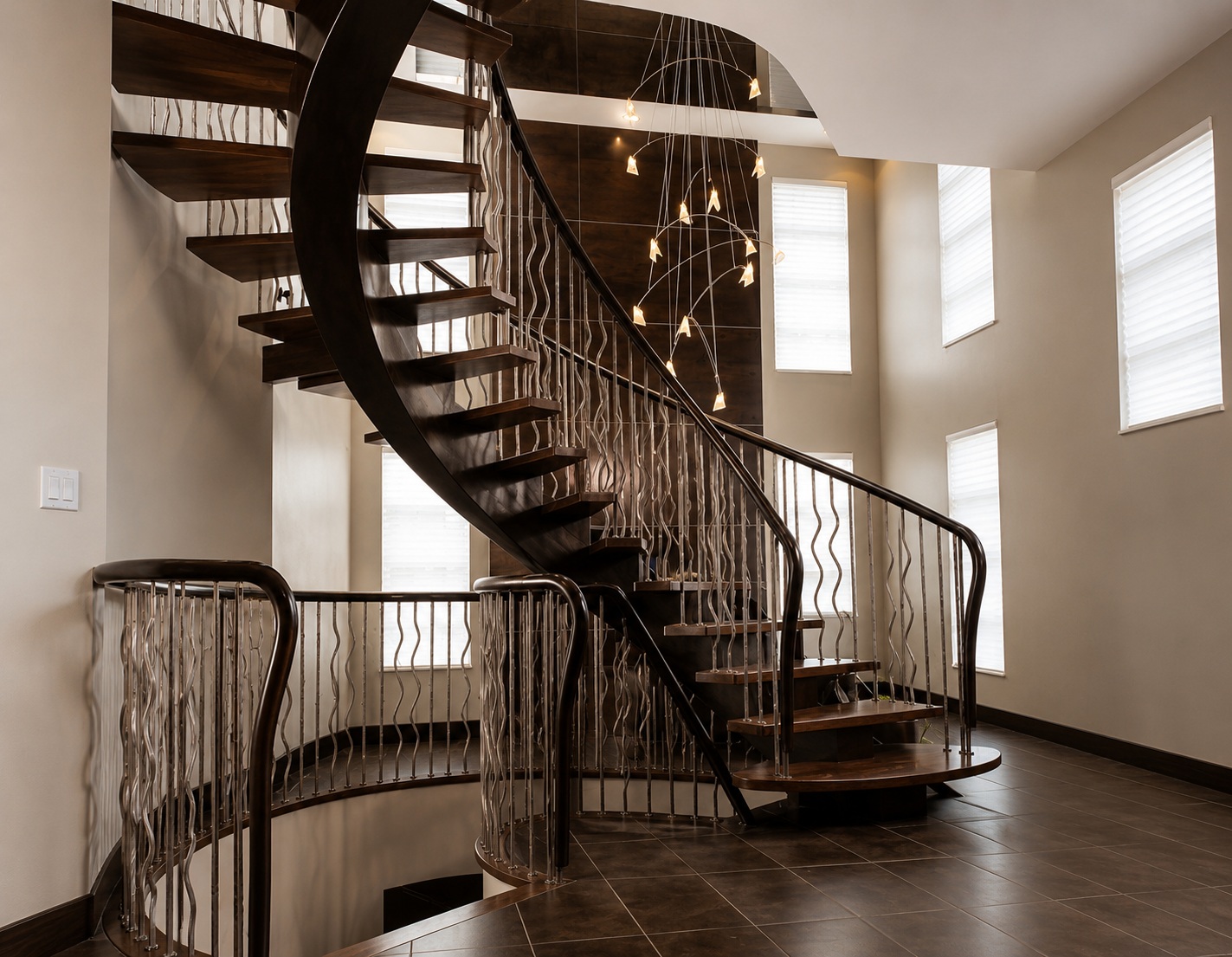
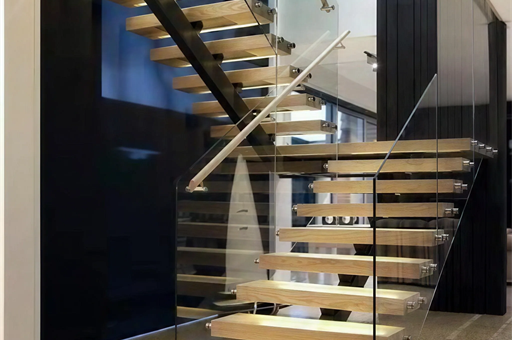
A common worry stops many owners short. They fear that an accessible staircase must look like a hospital corridor, cold and utilitarian. In practice, nothing about the guidance forces that outcome. A continuous handrail can be a warm oak profile with a hand-oiled finish. A second rail can echo the first in slim brushed metal that flatters a modern interior beautifully.
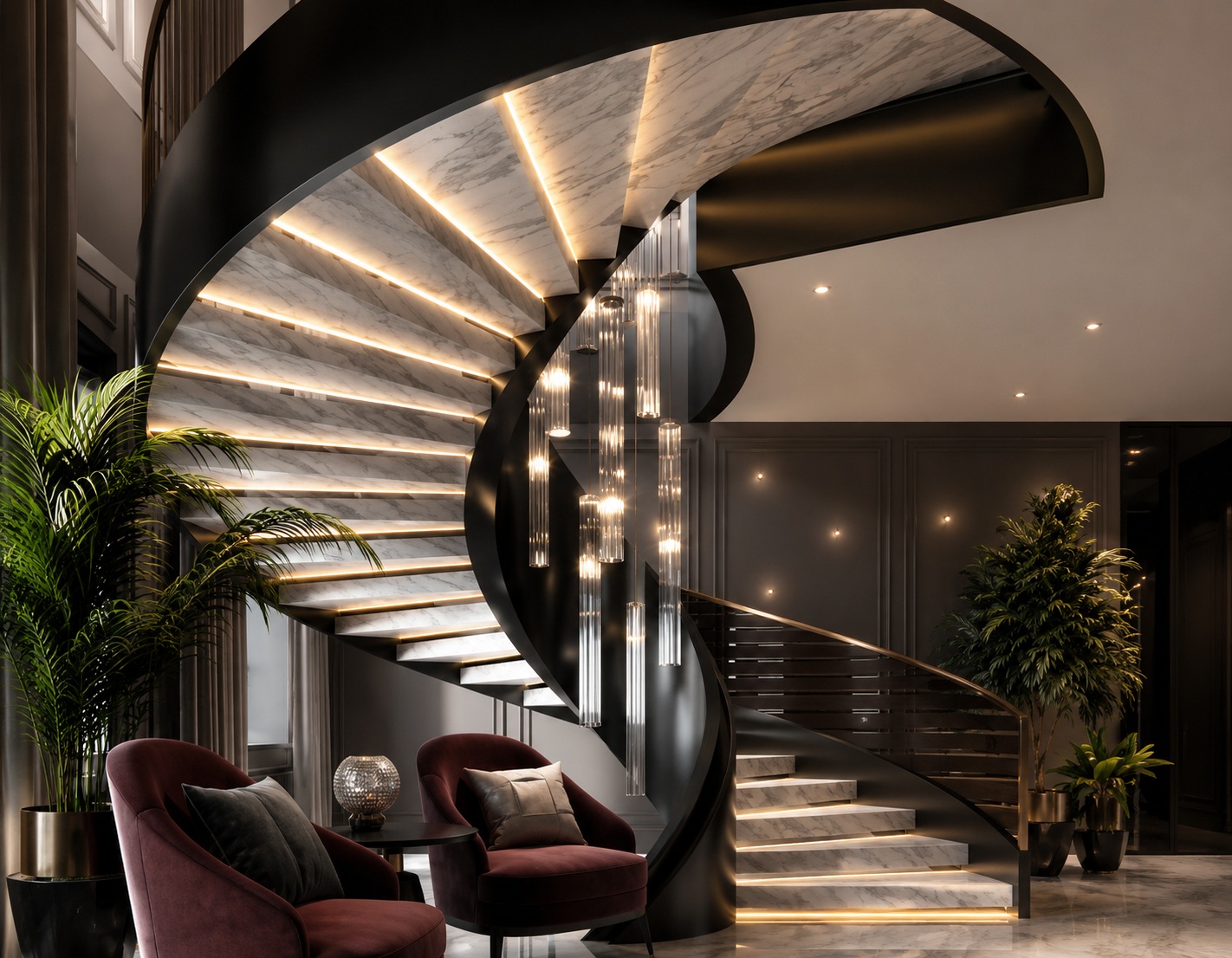
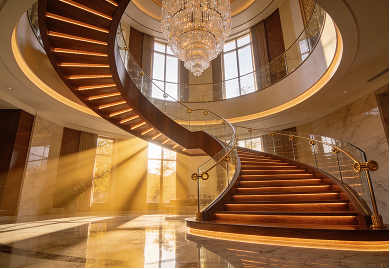
Contrast and lighting reward good taste rather than fighting it. A designer can draw the eye with a rich timber nosing against a paler tread, or a bronze rail against a soft plaster wall. Concealed step lighting feels luxurious as well as practical, casting a gentle glow along a fine stone flight at night. Every safety measure in this guide has an elegant expression, so the finished stair reads as considered design, not medical equipment.
The reward is a staircase that ages as gracefully as its owner. It looks right the day it goes in, and it still serves faithfully a decade later without any awkward, bolted-on addition. Guests notice only a handsome, well-made stair. The people who live with it feel the quiet confidence built into every detail. That balance of beauty and long-term support defines truly good aging in place design.
Cost And Planning Drivers
An accessible staircase does not have to cost a fortune, and the smart way to plan is by drivers rather than one headline figure. The single biggest saving comes from timing. Building continuity, contrast, and a second handrail into a fresh design costs a fraction of retrofitting them later. Because every staircase is made to order, we price each project from its drawing, so there is no fixed price list here.
Several honest drivers move the budget up or down. The handrail material sets one baseline, since fine hardwood and specialist metals sit above a plain timber rail. A second rail on the open side of the stair adds material and a modest amount of labour. Integrated step lighting, contrasting nosing inlays, and a shallower, deeper-tread layout each add their own cost while paying back in comfort. Third-party market guides suggest a bracket and rail retrofit runs a few hundred dollars per flight, though your local quote governs.
Upkeep is the long-run driver owners often overlook. A durable, easy-clean handrail in aluminium or stainless steel asks for little more than a wipe over the years. Fine timber wants an occasional re-oil to stay warm and sound. Choosing robust materials up front keeps the stair looking cared for without constant work. When you are ready to plan the full staircase, our custom staircase and handrail systems cover every option here in one place.
Handrail Choices At A Glance
The table below sets the common handrail materials side by side for an aging in place project. It weighs the feel in the hand, the upkeep over time, and the settings each option flatters. Use it to shortlist a material, then let the wider stair design, the lighting, and your own taste guide the final pick. Every material here works well when the profile, reach, and fixings follow the guidance above.
| Handrail | Feel in the hand | Maintenance | Well suited to |
|---|---|---|---|
| Timber | Warm, gentle, forgiving | Occasional re-oil or seal | Traditional and warm interiors |
| Stainless steel | Slim, cool, very durable | A wipe now and then | Modern homes and coastal air |
| Aluminium | Light, smooth, powder-coated | Very low; occasional wash | Low-care and contrasting colours |
| Timber over metal | Warm grip, slim frame | Light care on the timber cap | A refined mix of warmth and strength |
Aging In Place Staircase FAQ
What makes a staircase safer for aging in place?
The core moves are a continuous, graspable handrail on both sides, a comfortable rounded profile within easy reach, and strong visual contrast at each step. Even lighting, a gentler going with a lower rise, a slip-resistant tread, and secure fixings into solid framing complete the picture. Together these details let a person move up and down with real confidence for many years.
Do you really need a handrail on both sides of the stair?
Two handrails give far more support than one, because a person can use the stronger hand both going up and coming down. A single rail helps in one direction and leaves the other trip unsupported. Many accessibility references favour handrails on both sides for exactly this reason. On a home stair, a second rail is one of the highest-value upgrades you can plan.
What handrail height and shape works best as we age?
A rounded profile near an inch and a half across lets the fingers curl right around and close a firm grip. Handrail height commonly sits around 34 to 38 inches above the stair nosing, keeping the rail within easy reach. A small gap behind the rail lets the hand slide freely. Your local adopted edition sets the exact figures, so confirm them with your building team.
Can an accessible staircase still look elegant?
Absolutely, and most of our owners want exactly that. A continuous rail can be warm timber or slim bronze, contrast can come from a rich nosing tone, and step lighting reads as luxury rather than a medical add-on. Nothing in the guidance forces a clinical look. A well-drawn accessible stair simply reads as a beautiful, considered part of the home.
When is the right time to plan these features?
The kindest time is during a renovation or a new build, while the stair design still allows generous choices. Building continuity, contrast, a second rail, and better lighting into a fresh drawing costs far less than retrofitting them under pressure later. Planning early also means the details blend seamlessly into the design rather than looking bolted on after a scare.
Keep exploring the staircase cluster: start with the pillar on staircase design ideas, then read our guide to commercial stair handrail height and code and the stair and railing terms glossary. Ready to specify? Browse our custom staircase and handrail systems.
Double Building Materials draws, manufactures, trial-assembles, crates, and ships your staircase and handrail in any of the materials above. Your own contractor or installer handles on-site installation and local code sign-off — we can help you find one where available. The accessibility, dimension, and code notes above are common industry references (IRC / IBC / ADA / OSHA; AS 1657 / NCC where relevant), not medical advice. Your local adopted edition governs, so confirm the current version with your local team. With 25+ years and 800+ projects shipped to 60+ countries from our 4,500 m² factory in Guangdong, China, we draw and trial-assemble every staircase before it ships.
Talk to us on WhatsApp →