

Floating Staircase Ideas: Configurations That Ship and Install Well
Floating Staircase · Ideas
Floating Staircase Ideas: Configurations That Ship and Install Well
The floating staircase ideas worth pursuing are the configurations that still work as a real, shippable build. The strongest combine a clear tread material, a light railing, and a shape that suits the room: oak treads with frameless glass, steel treads with cable infill, or a central mono-beam open on both sides. Each one asks something specific of the structure.
A render can show anything, but a manufactured staircase has to satisfy the structure, the budget, and your local code. The strongest floating staircase ideas are the ones that survive that reality and still look striking. Below are the configurations we meet most often, grouped by material, railing, and shape, with a note on what each one demands of the structure. Use them to picture your own flight, then weigh the idea against the cost and the code before you commit.
Nine Configurations That Ship Well
These are the floating staircase ideas we encounter most, and each one is a genuine, buildable configuration rather than a render. The note beside each says what it gives you and what the structure needs in return.
| Idea | What it gives and what the structure needs |
|---|---|
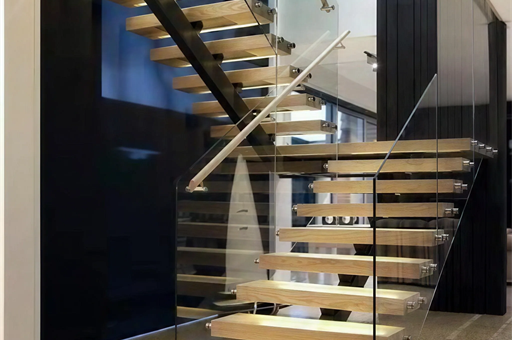
| Oak treads + frameless glass | The popular blend of warmth and transparency. A moderate structure carries it, which makes it a dependable starting point. |
| Steel treads + cable infill | An industrial, slender appearance with a light, airy guard. The steel is strong, and the cable infill keeps sightlines open. |
| Stone treads + glass | A premium, substantial centrepiece. Stone is heavy, so it asks for more structure and budget. |
| Central mono-beam, open both sides | A sculptural stair that floats in the middle of a room. It needs solid anchorage at the top and bottom landings. |
| Wall cantilever, purest float | The cleanest floating appearance, with treads from one wall. It requires a wall engineered for the load. |
| Floating spiral feature | A compact, sculptural turn for tight spaces — see our floating spiral guide. |
| LED-lit treads or spine | Quiet drama after dark. Plan the wiring routes into the carrier early, before fabrication. |
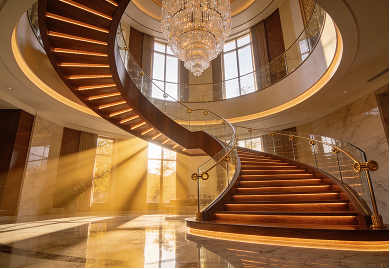
| Double-height in a tall void | A statement flight in an open, high space. It pairs well with a full-height glass balustrade. |
| Mixed metal and timber finishes | A coated steel carrier with timber treads ties the stair to the room’s palette without extra structure. |
Most projects start from one of these and adjust it, rather than inventing a configuration from scratch. That is no limitation; it is how a striking idea stays a buildable one. The sections below break the same ground down by the three decisions that matter most: the material, the railing, and the shape.
Ideas by Tread Material
The tread material sets the whole mood of a floating staircase, so it is the natural place to start. Timber treads, usually oak or walnut, give the warmest and most flexible result, and they suit almost any interior. Steel treads read slim and industrial, and they can carry their own load, which keeps the structure light. Stone or marble treads make a luxurious, weighty centrepiece, at a premium on both material and structure.
Glass treads are the most open of all, passing light straight through the flight, while concrete gives a monolithic, architectural mass. Each material is a different idea before you have even chosen a railing. If you want to weigh them on weight, grip, and cost, our guide to floating staircase tread materials sets them side by side, and the floating glass staircase guide covers the most transparent route.
Ideas by Railing
The railing decides how heavy or light the finished stair feels, and on a floating flight it does real visual work. A frameless glass balustrade is the most popular partner, because it guards the edge without a single visible post and keeps the open look you paid for. Stainless cable infill traces the flight with thin horizontal lines that the eye reads straight through.
A slim metal picket railing gives a crisp, defined edge for a more traditional room, and in some open positions the code allows an open edge with only a handrail. The railing is also where most of the code work lives, because the infill is what keeps a small child safe. Whichever direction you choose, match it to the treads so the stair reads as one idea. The glass balustrade range shows the options that pair with most floating flights.
Ideas by Shape
The shape of the flight is the third big idea, and it follows the room more than taste. A straight flight is the simplest to engineer and the easiest to read, which makes it the most common starting point. An L-shaped or U-shaped stair turns at a landing, which fits a tall climb into a corner and breaks it into two friendlier runs.
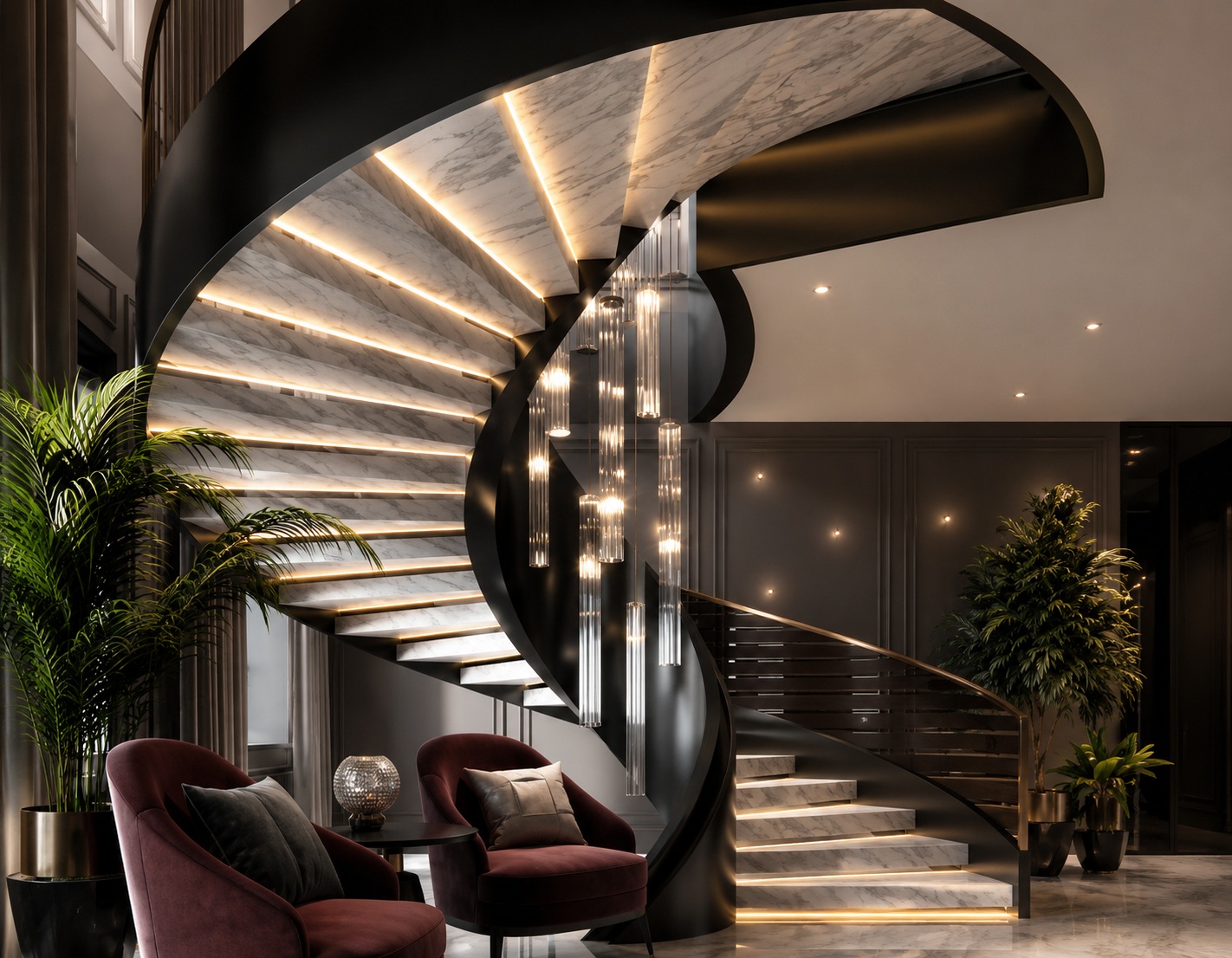
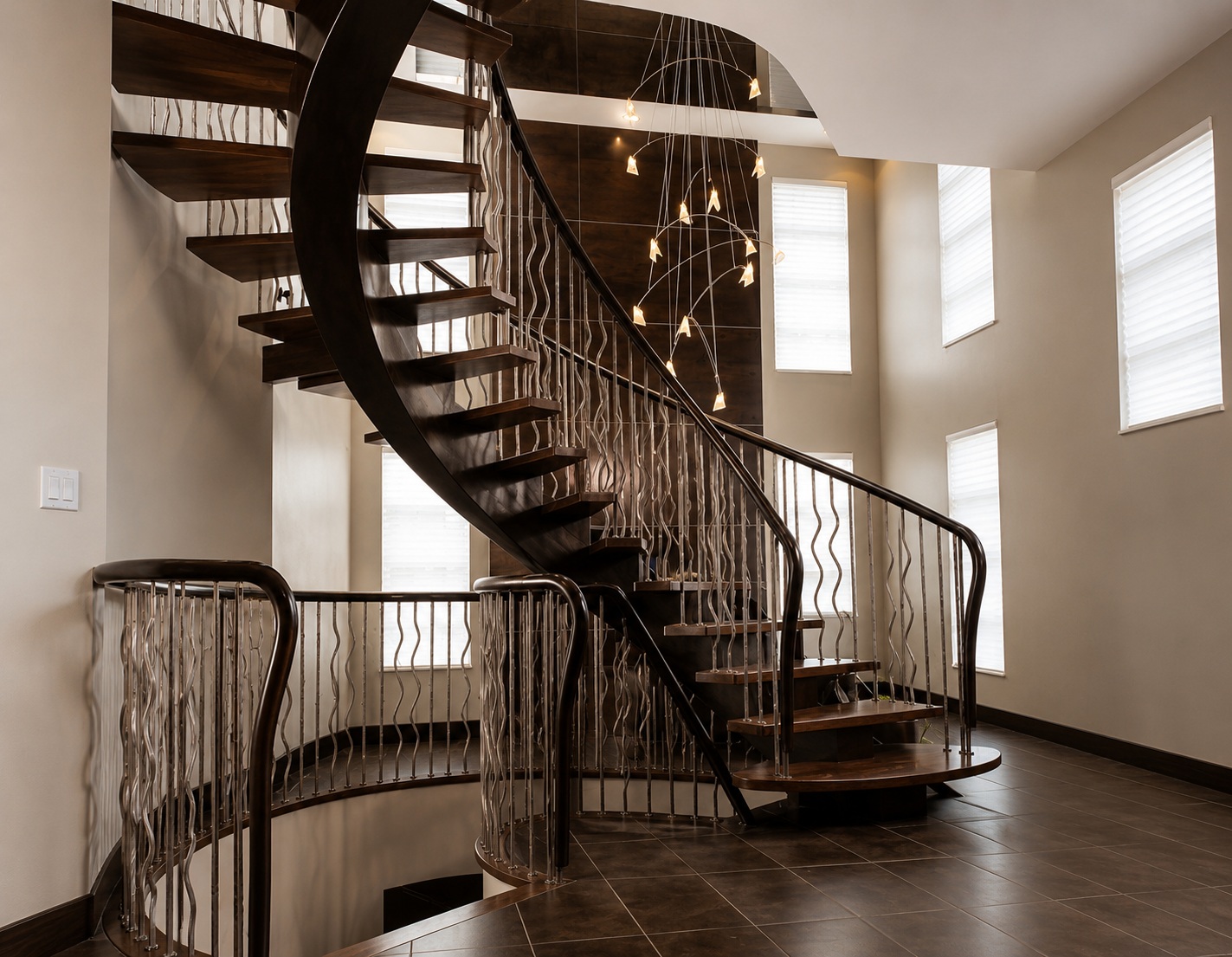
A curved flight sweeps the treads along a gentle arc, the most demanding to fabricate and the most sculptural in a room. A spiral winds the treads around a centre and packs a full flight into the smallest footprint of all. Each shape asks something different of the structure, so the right one balances the look you want against the space and the budget you have. The winding option has its own guide, the floating spiral staircase. If you are still weighing floating against another shape, compare floating vs spiral, floating vs curved, and floating vs straight stairs side by side. Each of those turning shapes also has its own guide: spiral, curved, and straight staircases.
Lighting and Detail Ideas
The smaller details are where a floating staircase becomes personal, and they are also where early planning pays off most. LED strips set into the edge of each tread, or run along a central spine, turn the stair into a quiet light feature after dark. The catch is that the wiring routes have to be designed into the carrier before fabrication, because adding them later means cutting into finished steel.
Other touches reward the same forethought. A continuous handrail recessed into the wall keeps the floating line uninterrupted. A landing that doubles as a bench or a display niche makes the stair earn extra use. A timber tread that matches the floor below ties the flight into the room. None of these add much cost on their own, but each one has to live on the working drawing rather than appear as an afterthought. That is the difference between an idea that ships and one that only renders.
Floating Staircase Ideas for Small Spaces
Not every floating staircase lives in a soaring, open-plan space, and some of the most satisfying ideas come from making a tight footprint work harder. The aim is to choose a configuration that climbs efficiently while still reading as light and genuinely open.
A floating spiral is the obvious answer, because it winds a complete flight around a single axis and occupies the smallest footprint of any staircase. A wall-anchored cantilever is the next most space-efficient idea, since it keeps one entire side of the stair clear and leaves the floor beneath it usable. Pairing either configuration with a frameless glass balustrade preserves the sense of space, because the transparent guard never visually closes the room down. Light-coloured timber treads on a slim steel carrier reinforce the same effect, keeping the whole composition quiet and uncluttered. In a compact apartment or a loft conversion, these restrained configurations deliver the floating appearance without overwhelming the proportions of the room around them.
Floating Staircase Ideas That Make a Statement
At the other end of the spectrum sit the floating staircase ideas designed to become the centrepiece of a home, where the staircase is meant to stop a visitor in their tracks. These configurations trade restraint for presence, and they reward a generous, well-lit space that can carry the drama.
A central mono-beam open on both sides turns the staircase into a freestanding sculpture, admired from every angle as it climbs through the room. A double-height flight against a glazed wall becomes a dramatic vertical gesture, especially when a full-height glass balustrade lets the daylight pour through. Stone or structural-glass treads raise the sense of occasion further, although both demand considerably more structure and budget. A curved flight that sweeps along a gentle arc is the most sculptural shape of all, and the most demanding to fabricate well. Each of these ideas earns its drama honestly, through real engineering rather than a flattering camera angle, which is exactly what separates a statement that ships from one that only renders.
Matching an Idea to Your Space
Start from the room, not the render. A compact footprint points toward a spiral or a wall cantilever, while an open, double-height void suits a mono-beam centrepiece. Heavy treads such as stone or concrete need a structure planned for the load, so settle the material before the configuration hardens.
It also helps to be honest about how the stair will be used. A main flight that carries daily traffic and the occasional sofa wants a generous, sure-footed shape. A sculptural feature stair in a show space can take more risks with its form. Whatever the idea, it still needs the right structure and has to meet your local code, which we resolve on the working drawing before any steel is cut. The wider picture sits in our floating staircase guide.
One configuration that ships well: timber treads with a frameless glass railing, built for a Virginia home and trial-assembled before crating.
Floating Staircase Ideas FAQ
What is the most popular floating staircase idea?
Oak treads paired with a frameless glass balustrade is the configuration we are asked for most. It blends the warmth of timber with the transparency of glass, suits almost any interior, and rests on a moderate structure. That balance of looks, flexibility, and buildability is what keeps it the dependable starting point for most homes.
What is the average cost of a floating staircase?
Third-party market figures run roughly $15,000 to $60,000 or more installed, which are industry estimates rather than our quote. The configuration moves the figure: glass and stone sit high, while timber and open edges sit lower. See our floating staircase cost guide for the drivers.
Which floating staircase idea saves the most space?
A spiral, by a wide margin. Because the treads wind around a single axis, a spiral fits a full flight into the smallest footprint of any staircase. A wall cantilever is the next most space-efficient, since it keeps one side completely clear. Both suit tight plans where a straight flight will not fit.
Can I combine ideas, like glass railings with wood treads?
Yes, and the strongest results usually do. Timber treads with a frameless glass balustrade is the classic mix, and steel carriers happily take timber, stone, or glass treads. We confirm any combination on the working drawing, so the weight and the fixings suit every part of the flight.
Should the floating staircase match the floor?
It is a popular and reliable idea. Matching the timber treads to the floor below ties the staircase into the room and makes it feel built-in rather than added. An alternative is deliberate contrast, such as dark steel treads against a pale floor. Both approaches work, and the choice depends on whether you want the stair to blend in or to stand out.
How do I choose between all these floating staircase ideas?
Work through three decisions in order: the tread material, the railing, and the shape. The material sets the mood, the railing decides how light the stair feels, and the shape follows the room you have. Settle those three against your structure and your budget, and the wide field of ideas narrows quickly to the few that will actually ship and install well.
Background: the floating staircase guide. See real builds: the Virginia and Florida floating staircases. Browse the staircase range.
Double Building Materials draws, manufactures, trial-assembles, crates, and ships your staircase. Your own contractor or installer handles on-site installation and local code sign-off — we can help you find one where available. Cost figures above are third-party market estimates, not a DBM price.
Share your idea on WhatsApp →